
| Topic | What it means | Planning use |
|---|---|---|
| Invasive species | A species not native to a particular ecosystem, whose introduction does or is likely to cause economic harm, environmental harm or harm to human health | Judge a plant or animal by the place it is in and the harm it causes, not by how unfamiliar it looks. |
| Managing invasive species | Control measures that prevent spread or lessen impacts once a species appears permanently established | For species that are already widespread, expect the realistic aim to be limiting spread and impact, because complete eradication is not generally feasible. |
| “Vital signs” in medicine | Body temperature, pulse rate, breathing rate and blood pressure | Use this site for ecology and education, not for clinical questions. |
The definitions and management wording come from the EPA terms registry, and the clinical list comes from Northwestern Medicine’s health encyclopedia.
About vital signs: this site serves readers who want plain, practical guidance on invasive species monitoring, Maine ecology and teaching field science, and who may be starting from no background at all.
The best first stop for most visitors is the invasive species monitoring hub, which gathers the guidance on noticing and recording non-native species. The rest of this page explains who the site is for, how its three subject areas fit together and how to begin without any special equipment.
Who the site is for and where to begin
The site is written for people who spend time outdoors in Maine and want to understand what they are looking at. That includes walkers and gardeners who have noticed an unfamiliar plant, volunteers who want to contribute careful observations, and teachers or group leaders who want to turn a trip outside into real science. It does not assume prior training, and it does not rely on credentials to make its case. Each guide explains its terms and attributes its facts to the public bodies that stand behind them.
Where you start depends on what you want to do next. These choices cover the most common situations.
- You noticed something unfamiliar outdoors. Begin with the invasive species monitoring hub. Whether a species counts as invasive depends on its place and the harm it causes, so the guidance there focuses on observing and recording carefully before drawing conclusions.
- You want to know what belongs in Maine’s habitats. Start with the Maine Ecosystems and Native Species hub. Knowing what is native and how habitats work makes it much easier to recognise when something is out of place.
- You lead students, scouts or a community group. Start with the Teaching Field Science and Biodiversity hub. It is aimed at turning outdoor time into structured observation that learners can repeat and compare.
- You are simply curious. Read this page through, then follow whichever hub matches the habitat or question closest to you.
What the site covers
The content is organised into three connected areas. Each one answers a different question, and each leans on the other two. Monitoring only makes sense if you know what normally lives in a place, and teaching only works if learners have something real to observe.
Invasive species monitoring
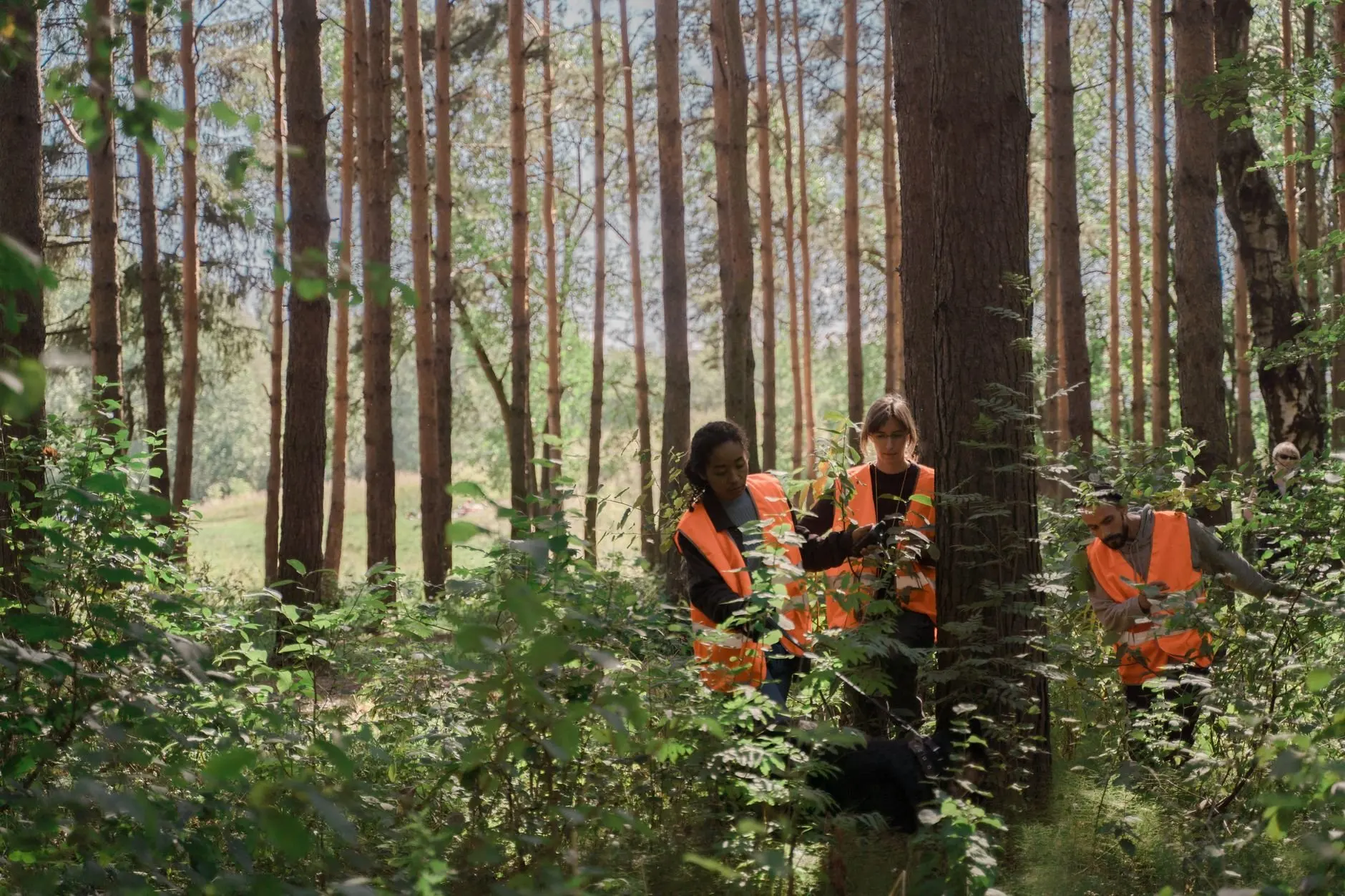
This is the practical core. It deals with noticing, recording and understanding non-native species and the harm some of them cause. Because an invasive species is defined relative to a particular ecosystem, the guidance keeps returning to the setting: the habitat, the neighbouring plants and animals, and the signs of damage or spread. A species that is harmless in one setting is not automatically a problem in another, and the reverse is also true.
Maine ecosystems and native species
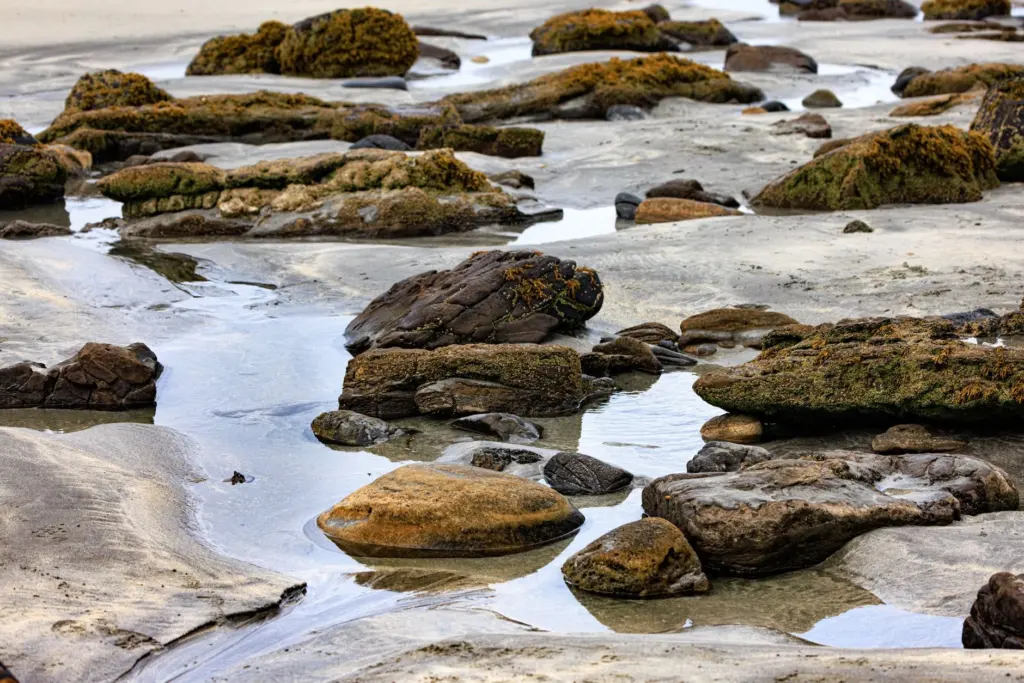
Maine has forests, ponds, wetlands and a long rocky shoreline, and each supports its own community of plants and animals. This area describes those habitats and the native species that characterise them. It gives readers a baseline. When you already know the usual understory plants of a woodland trail or the usual life of an intertidal shore, an unusual arrival stands out.
Teaching field science and biodiversity
The education area is for anyone who guides others outdoors. It treats observation as a skill that can be taught: looking closely, writing down what you actually see, and separating a record from an interpretation. The same habits that make a volunteer’s notes useful also make a student’s field notebook useful, so the guidance applies equally to a classroom group, a family walk or a self-directed project.
How observations work in practice
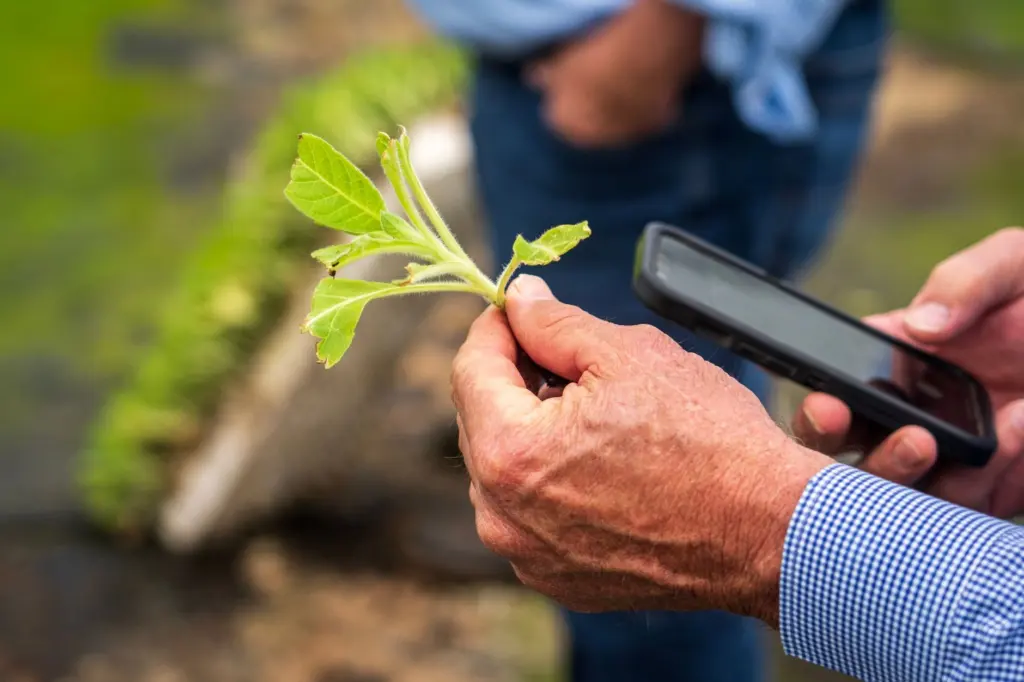
A good observation is specific, checkable and honest about what it does not show. For most visitors the working tool is a phone, and the simplest useful routine is to photograph what you see clearly, note where and when you saw it, and describe the surroundings in a sentence or two. A photograph of a leaf is evidence of a leaf. It does not by itself settle which species it belongs to, so records are best kept separate from identifications, which can be checked afterwards.
These habits are worth building before you ever suspect an invasive species.
- Photograph in context. Include a close view of the leaf or flower and a wider view of the surroundings, so a reviewer can judge both the plant and the habitat.
- Write down place and time. A record without a location and a date is hard to use later, however good the photograph is.
- Describe, do not conclude. Note what you can see, such as growth form, setting and signs of damage, and leave naming for later.
- Prefer leaving things in place. Observing and recording is usually enough for a first visit, and it keeps the habitat as you found it.
Habitat matters more than the species list
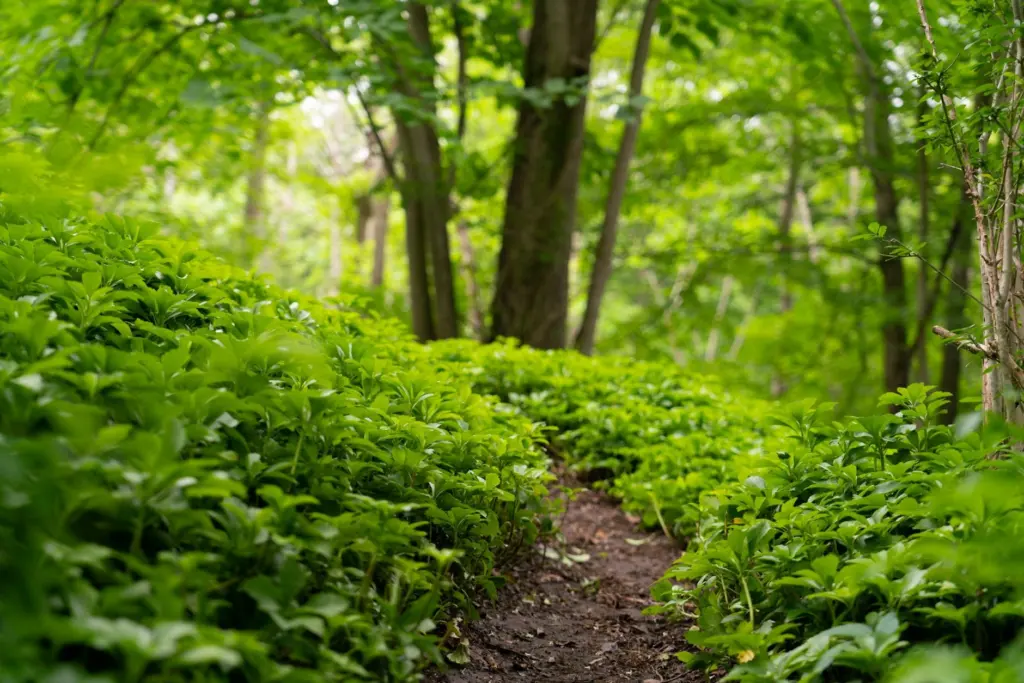
Reading a landscape is the skill that connects all three subject areas. A woodland trail, a pond edge and a rocky shore ask different questions, so the same routine produces different notes in each. On a shaded trail you are looking at the understory beneath the trees. At a pond you may be recording what grows at the margin. On the shore the tide changes what is visible from hour to hour.
For teachers, this is also the strongest argument for repeated visits. Returning to the same spot lets learners compare what they recorded before with what is there now, which is the basic logic of any monitoring effort.
How invasive species are defined and managed
Understanding the definition prevents the most common mistake in this field. The EPA defines an invasive species with respect to a particular ecosystem: a species that is not native to that ecosystem and whose introduction does or is likely to cause economic or environmental harm or harm to human health. Two tests therefore apply together. The species must be non-native to the place, and it must cause or be likely to cause harm. Being unfamiliar to you passes neither test.
The EPA also describes management as the implementation of control measures to prevent the spread of invasive species or lessen their impacts. That wording matters for anyone deciding how much effort to invest. Once a species appears permanently established, the stated aim is controlling spread and effects, and complete eradication is not generally feasible for widespread species. The practical consequence is that noticing a problem while it is still limited in extent is far more useful than noticing it after it has become established, and careful local records are what make early noticing possible.
Medical vital signs and the name of this site
Many visitors arrive expecting health information, so it helps to be direct. In medicine, the main vital signs checked routinely by healthcare providers are body temperature, pulse rate, breathing rate and blood pressure, according to Northwestern Medicine. The phrase is also used for health care systems: the Institute of Medicine proposed a core set of 15 health metric areas it called vital signs, as described by Kaiser Permanente Washington Health Research Institute.
This site is about the environment, not clinical measurement. The comparison is still a helpful way to think about it: a short set of routine checks, taken consistently, tells you how a larger system is doing. In the field, that means regular, careful observations of the places you know best, which is the habit the guides here aim to build. Nothing on this site is medical advice.
Frequently asked questions
Is this site a medical resource?
No. Medical vital signs are clinical measurements such as body temperature, pulse rate, breathing rate and blood pressure. This site covers invasive species monitoring, Maine ecology and science education.
Does the site cover only invasive species?
No. Invasive species monitoring is one of three areas. The others are Maine ecosystems and native species, and teaching field science and biodiversity, and the three are designed to be read together.
Is every species that is new to an area invasive?
No. Under the EPA definition, a species is invasive only if it is non-native to the ecosystem and its introduction does or is likely to cause harm. Harm is part of the test, not an optional extra.
Do I need special equipment to start?
No. A phone for photographs and a notebook for place, date and a short description of the surroundings are enough to begin recording careful observations.