
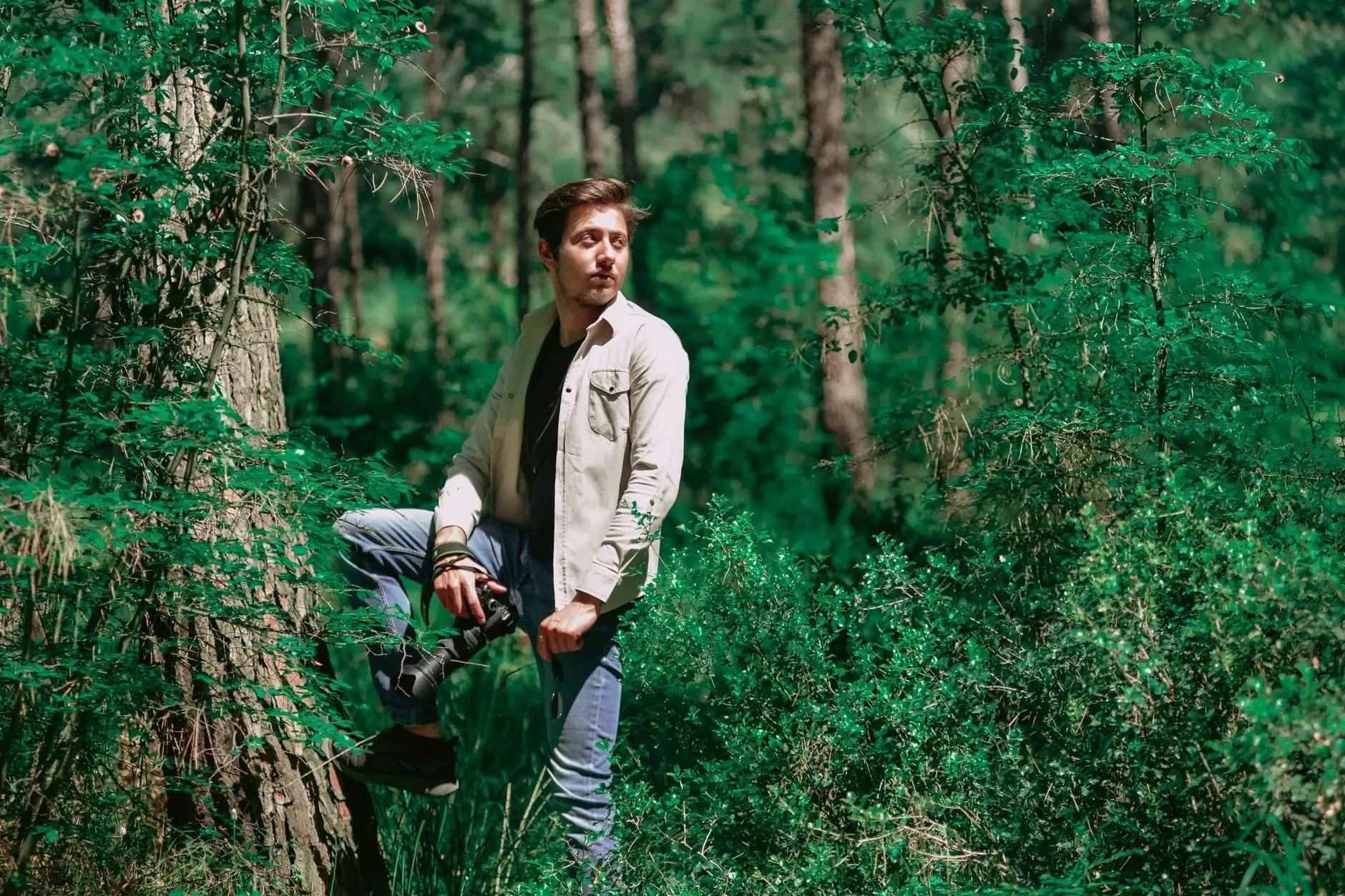
Found a thorny shrub with red berries and unsure what to do? Here is how to monitor invasive species in Maine: learn a few target species, photograph and locate each find, then contact the state agency that matches the habitat.
This guide follows a find from first outing to filed report. It sits within our wider invasive species monitoring coverage, which also explains how the species are tracked across the state.
Problem: you do not know where to start
Start small. Pick a habitat you can reach often, learn a handful of species that live there, and survey the same place repeatedly. Maine already has volunteer structures for this. The Northeast Aquatic Nuisance Species Panel’s Maine listing names the Invasive Plant Patrol Program of Maine and the Volunteer Lake Monitoring Program, both of which suit people who spend time on lakes.
For land and wetland plants, the Maine Invasive Plants Field Guide is the best first purchase. The Maine Natural Areas Program announced it on June 6, 2019. It covers 46 terrestrial and wetland invasive plant species. Each account gives identification characters, growth form, habitats invaded, control methods, similar species and Maine status. The pages are waterproof and ring-bound, so the guide can go into the field.
Match the target species to your habitat
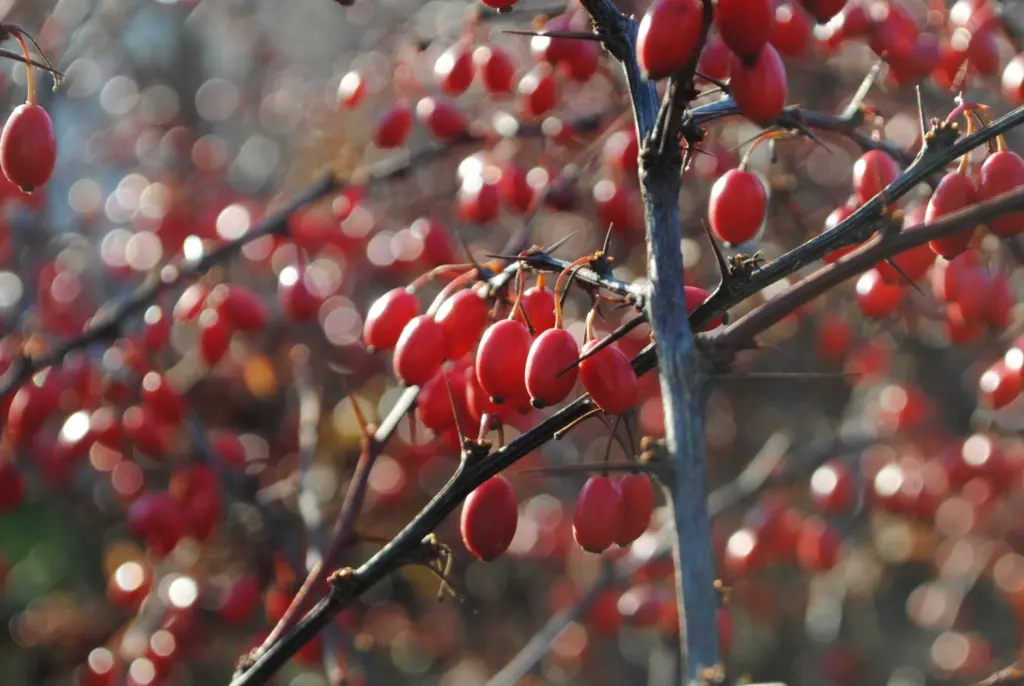
- Forest edges and woodlots: Japanese barberry, honeysuckle and glossy buckthorn can out-compete native tree regeneration in the understory and can harbor higher densities of disease-carrying ticks, according to the Maine Department of Agriculture, Conservation and Forestry. They are a sensible first target for a woodland walker.
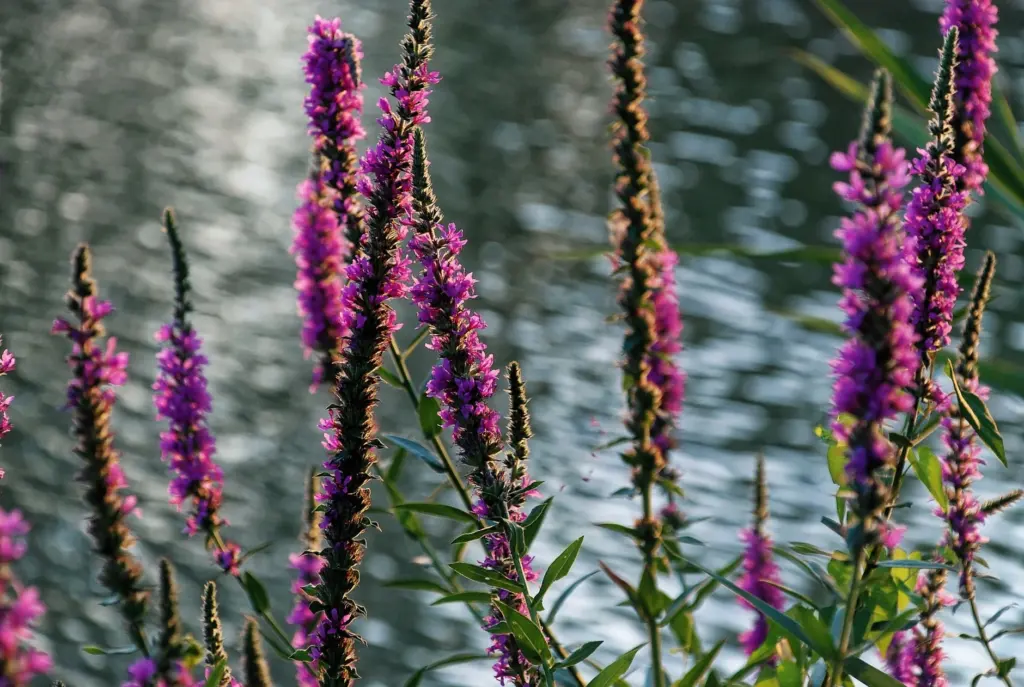
- Wetland edges: purple loosestrife is listed on the Maine page as an established species of concern among plants.
- Lakes and ponds: curly pondweed, Eurasian watermilfoil, hydrilla and variable watermilfoil are the actively managed aquatic plants on the same listing.
- Rocky shore: green crab is actively managed, and Asian shore crab is listed as an established species of concern among animals.
- Riverbanks and roadsides: if you are drawn to tall stands of stems, read our guide to japanese knotweed in maine before you go.
Problem: you are unsure what you are looking at
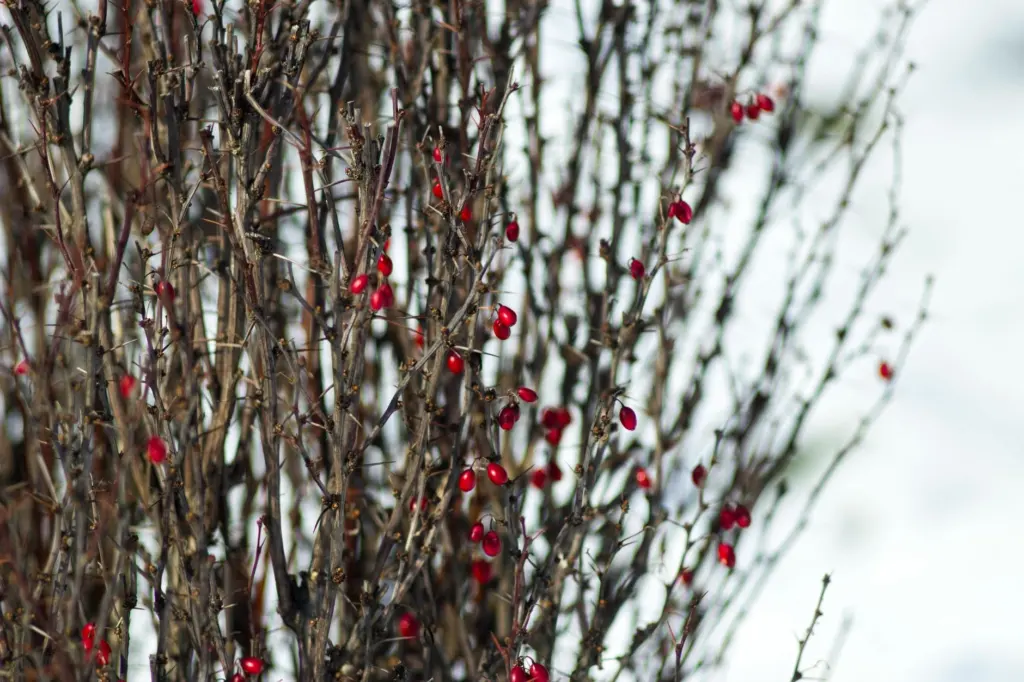
Surveying for invasive plants is mostly careful comparison. Walk a set route slowly, stop at anything unfamiliar, and check it against the species account rather than memory. The field guide’s accounts pair identification characters with similar species, which is exactly what you need when a native shrub resembles an invader.

- Check habitat first. Each account lists the habitats a species invades, so a plant in the wrong setting is less likely to be your target.
- Compare lookalikes side by side. If a find fits two accounts, treat it as unconfirmed and photograph it thoroughly.
- Revisit the same route. Repeat walks show whether a patch is stable or spreading, which is more useful to a reporter than a single visit.
If you still cannot decide, call or email the Maine Natural Areas Program rather than guessing. The listed contact is 207-287-8044 or [email protected].
What to record and photograph
Record enough that someone who has never seen the site could find it again and judge the identification. The field guide’s own structure shows what matters: key identification characters, growth form and habitat.
- Photograph the whole plant to show growth form and surroundings.
- Take close-ups of the distinguishing parts, such as leaves, stems, berries or flowers, whichever the species account stresses.
- Note the habitat in plain words: forest understory, wetland edge, lake shore or rocky intertidal.
- Record the location precisely with a map pin or clear landmarks, plus the date.
- Estimate how much is there as a patch size or a rough count, and say it is an estimate.
Keep these notes in a consistent format from outing to outing. Our invasive species field data sheet gives you a layout for them.
Problem: you do not know who to call
The right contact depends on what you found and where. The State of Maine launched an Invasive Species Portal on Maine.gov on May 12, 2017, giving citizens access to the work of state agencies. It carries resources on northern pike, green crabs, hydrilla, spotted lanternfly, emerald ash borer and Japanese barberry, so it is a good place to read up on a species before you phone.
For a direct call, use the contacts the Northeast Aquatic Nuisance Species Panel lists for Maine, or the Maine Natural Areas Program for plant questions.
| What you found | Contact | Phone or email |
|---|---|---|
| Freshwater plant | John McPhedran, Maine DEP | 207.215.9863 |
| Freshwater animal | Dakota Stankowski, Maine Department of Inland Fisheries and Wildlife | 207.592.0982 |
| Saltwater plant | Beth Bisson, Maine Sea Grant | 207.581.1440 |
| Saltwater animal, such as a crab | Robert Russell, Maine Department of Marine Resources | 207.633.9524 |
| Land or wetland plant, or an identification question | Maine Natural Areas Program | 207-287-8044 or [email protected] |
Contacts are drawn from the Northeast Aquatic Nuisance Species Panel’s Maine page and the Maine Natural Areas Program announcement; staff roles change, so confirm through the state portal if a call goes unanswered.
How one find moves from the field to a report
- Find and photograph. You spot a suspect plant and take whole-plant and close-up photos.
- Check. You compare it with the species account and note any similar species it could be.
- Choose the channel. Land and wetland plants go to the Maine Natural Areas Program. Lake plants go to Maine DEP. Fish and other freshwater animals go to Inland Fisheries and Wildlife. Coastal finds go to Marine Resources or Sea Grant.
- Send your notes. Give the photos, date, habitat, location and your estimate of the patch.
- Read up. The state portal has species resources you can use while you wait for a reply.
The Maine Invasive Species Network, described by University of Maine Cooperative Extension, has members from state and federal agencies, non-profits and academia. Maine DEP, the Department of Agriculture and Inland Fisheries and Wildlife are among them, which is why your report can reach the right people from several starting points.
Wetland edges and the coast
Water-edge finds follow the same routine, but the contact changes. Purple loosestrife and the aquatic plants on the Maine listing belong with the freshwater plant contact. A crab on the shore is a saltwater animal, so Marine Resources is the place to start. The panel’s Maine page also lists an Asian Shore Crab Reporting Program, which is relevant if your find is that species.
Lake volunteers can take some encouragement from the state’s own figures. The 2017 bulletin stated that only 1% of Maine lakes were then infested with invasive plants, and volunteer programs are part of how that figure is kept low. Treat it as a dated snapshot, not a current count.
Cleaning up before you leave
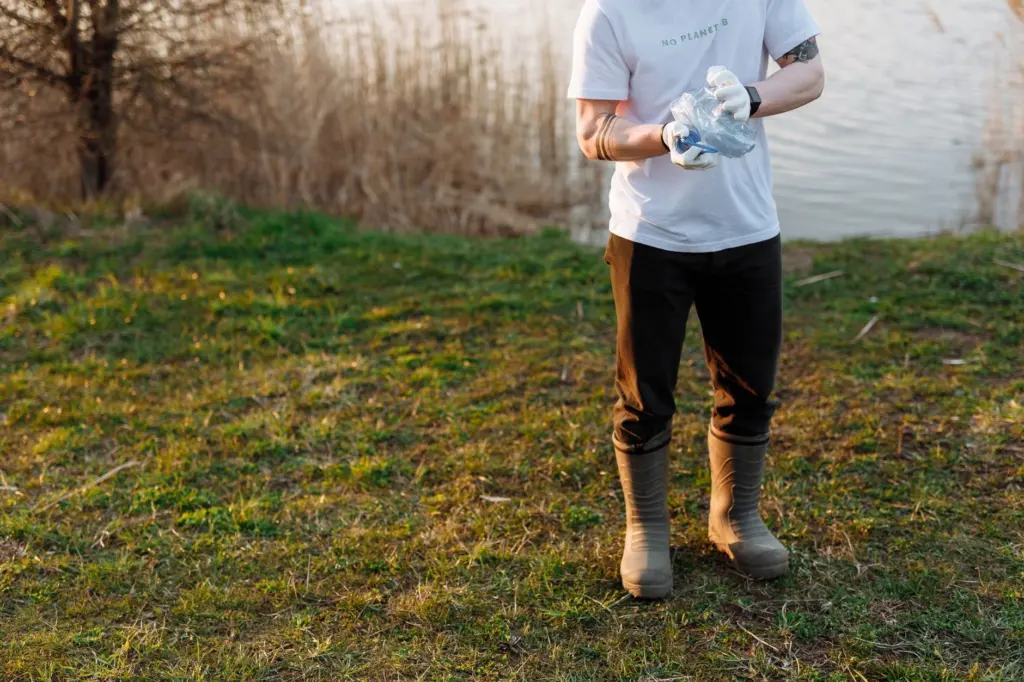
Monitoring should not spread what you are looking for. Before you leave a site where you found an invasive plant, check boots, clothing and gear and brush off anything clinging to them. Do this at the site, and do it before you walk to a clean area or drive away.

Frequently asked questions
| Question | Answer |
|---|---|
| How do I start monitoring invasive species in Maine? | Choose one habitat, learn a few species from the Maine Invasive Plants Field Guide, and walk the same route regularly. Lake users can look at the Invasive Plant Patrol Program of Maine and the Volunteer Lake Monitoring Program. |
| What should I record and photograph? | Take whole-plant and close-up photos of the characters in the species account. Record the habitat, exact location, date and an estimate of how much there is. |
| Where do I report a sighting and who should I call? | Match the contact to the find. Use the Maine Natural Areas Program for land and wetland plants, and Maine DEP, Inland Fisheries and Wildlife, Sea Grant or Marine Resources for water-based finds, as in the table above. |
| How many invasive plants does the Maine field guide cover? | It covers 46 terrestrial and wetland invasive plant species, each with identification characters, habitats, control methods, similar species and Maine status. |