
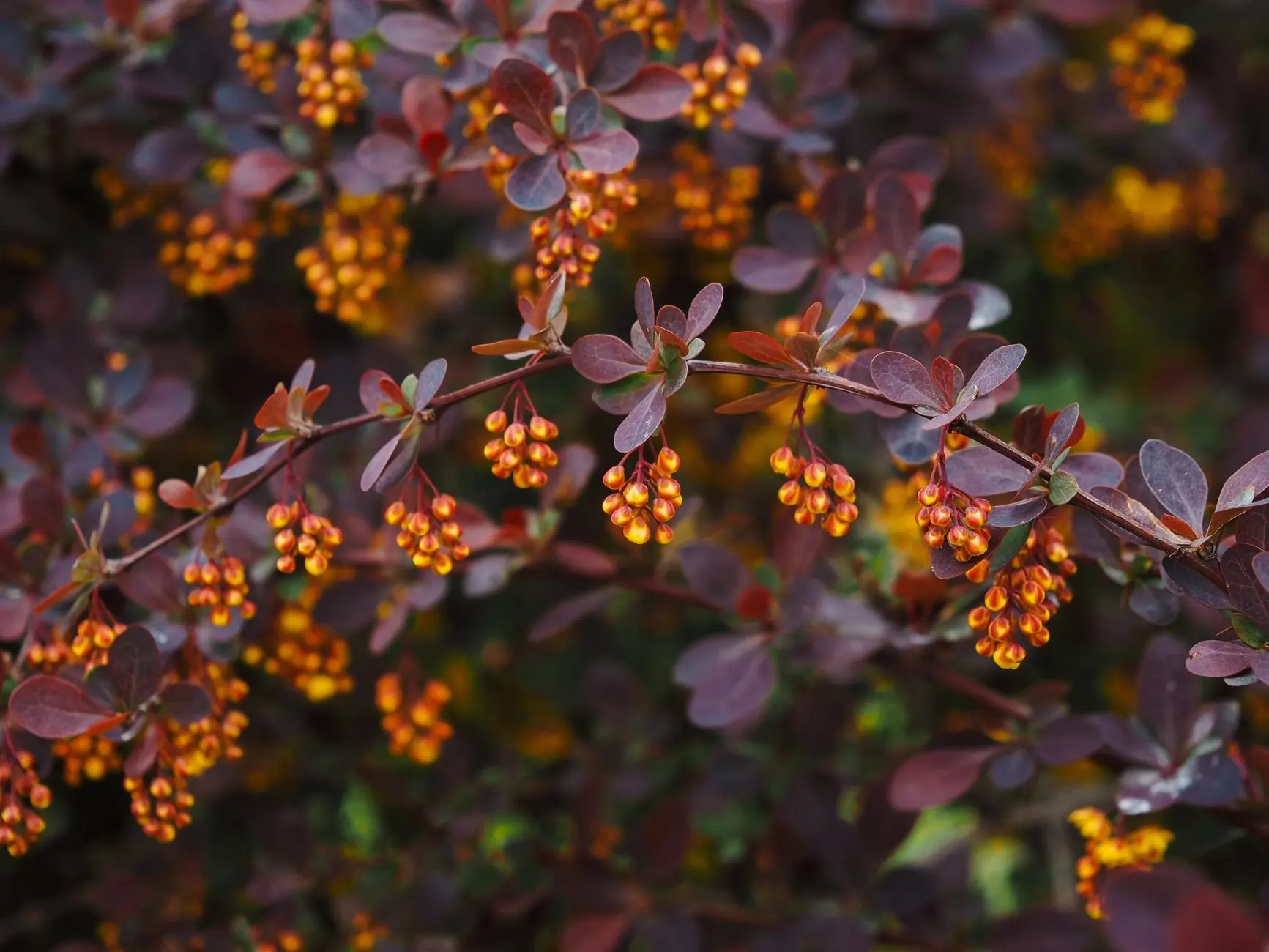
You spot an unfamiliar shrub or a webbed branch and wonder whether it matters. Invasive species monitoring answers that: check chosen places for target species, record what you find and what you do not, and report suspected finds early.
This guide sorts the topic by what you want to do, so you can pick a route and a target before you head outside. For the step-by-step routine, continue to how to monitor invasive species in maine.
Choose your route
Monitoring is easier when you decide what you are looking for before you start. A trail walk, a lake visit and a shoreline check each call for different skills, so match the route to the place you already spend time.
- Walking a trail or your own land: start with the plants route below. Shrubs, vines and wetland plants are visible, hold still and can be photographed at leisure.
- Looking at trees and branches: the insects route covers what to check on host trees and how to decide whether a find deserves a report.
- Visiting ponds, lakes or the coast: the water and shoreline route covers boats, docks and rocky shores.
- Owning woodland: the landowner route explains the cost-share program and the limits of hand control.
- Already holding a photo and a location: go straight to recording and reporting.
Whichever route you take, learn the difference between a nonnative species and an invasive one first, because it decides what is worth reporting.
What counts as an invasive species
The U.S. Department of the Interior describes invasive species as nonnative organisms whose introduction to an ecosystem can cause economic or environmental harm. Harm is part of the definition, which matters for anyone deciding what to look for.
Nonnative is not the same as invasive
The same Interior source notes that some nonnative species cause no harm and are therefore not invasive. For a volunteer, this means that finding a plant that does not belong in a landscape is not automatically a finding that needs action. Use a trusted identification guide and a list of target species, and focus your effort on the species that are known to cause harm.
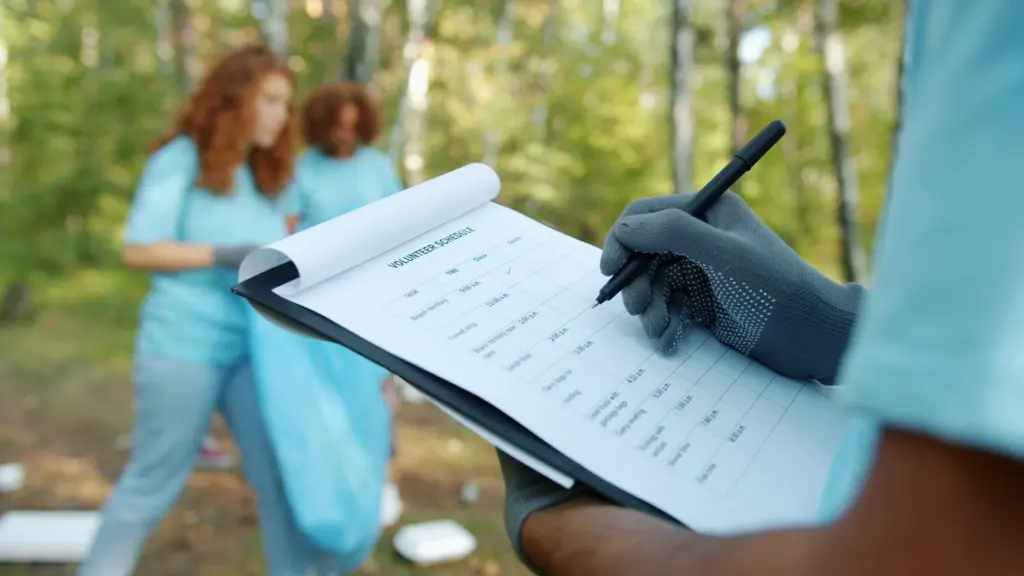
Choosing targets also keeps a monitoring routine manageable. A short list that you can recognise confidently on a first glance beats a long list that you half remember. Add species gradually as you gain confidence.
Why scale matters
The national picture shows what is at stake when detection fails. Interior reports that noxious weeds and other invasive plants infest more than 100 million acres of Interior-managed public lands, and that cheatgrass alone infests 50 million acres and provides fuel to wildfires. Those figures describe lands managed by the federal Interior Department, not Maine, so read them as an illustration of how far an invader can spread when it goes unchecked rather than as a Maine statistic.
Spread also has a practical route. Invasive mussels primarily spread by hitching rides on boats and other watercraft. That is why the same source asks boaters to clean, drain and dry their watercraft after leaving the water, a habit that costs little and applies on any lake.
Early detection and rapid response
Early detection and rapid response, usually shortened to EDRR, is the idea behind most volunteer monitoring. The federal National Invasive Species Information Center states that EDRR is much more effective than trying to control a widespread infestation. Volunteers supply the first half of that phrase: they are the people who are already out in the places where a newcomer first shows up.
Why recording absences matters
A monitoring visit that finds nothing is still data. If you check a trail edge, a pond landing or a dock and record that your target species was not there, you have created a dated starting point. When a later visit finds the species, the earlier record shows that it arrived after your check, which helps managers judge where a new population began and how urgent a response is.
Without absence records, a first sighting looks the same whether the species is new or has been present for years. Write down the species you searched for, the place and the date even when the answer is no, and note how thoroughly you looked. A quick glance from the car and a careful walk along a shoreline are different levels of effort, and a later reader needs to know which one you did.
Choosing a response that fits the stage
Monitoring only pays off if something can be done with what you find. The comparison below sets out how the main response approaches differ and what that means for how you plan.
| Approach | What the evidence says | Planning use |
|---|---|---|
| Early detection and rapid response | Much more effective than trying to control a widespread infestation. | Best suited to new or small populations. Frequent, well-recorded checks make this approach possible. |
| Manual control | Can be labor-intensive, costly, and provide only temporary control. | Reasonable for small patches, but plan for repeat visits rather than a single removal day. |
| Classical biological control | Biological control is the intentional manipulation of natural enemies. Classical biocontrol is described as the only means of reducing permanently and over large areas the harm such invaders cause. | Aimed at widespread, established invaders where hand removal cannot keep pace. Decisions rest with specialists rather than volunteers. |
These descriptions come from the federal invasive species information center’s overview of control mechanisms.
The practical reading is that volunteer time is best spent on detection and recording, where a small effort has the largest effect. Hand removal suits small, accessible patches and carries a commitment to return. Widespread invaders are better handled through programs designed for them, and a volunteer’s best contribution is an accurate record of where the species is and is not.
The plants route
Plants are the easiest place to begin because they can be revisited and compared over time. The Maine Natural Areas Program developed the Maine Invasive Plant Field Guide to help people recognise problem plants, and it is the natural companion to a walk through woods or fields. Our own invasive plants in maine guide helps you decide which species to learn first.
The same Maine Department of Agriculture, Conservation and Forestry notice gives a model for reporting. For tree of heaven, it asks people to report sightings to [email protected]. If you are unsure whether a plant is a target, a clear photograph and an exact location give a specialist something to work with.
Japanese barberry
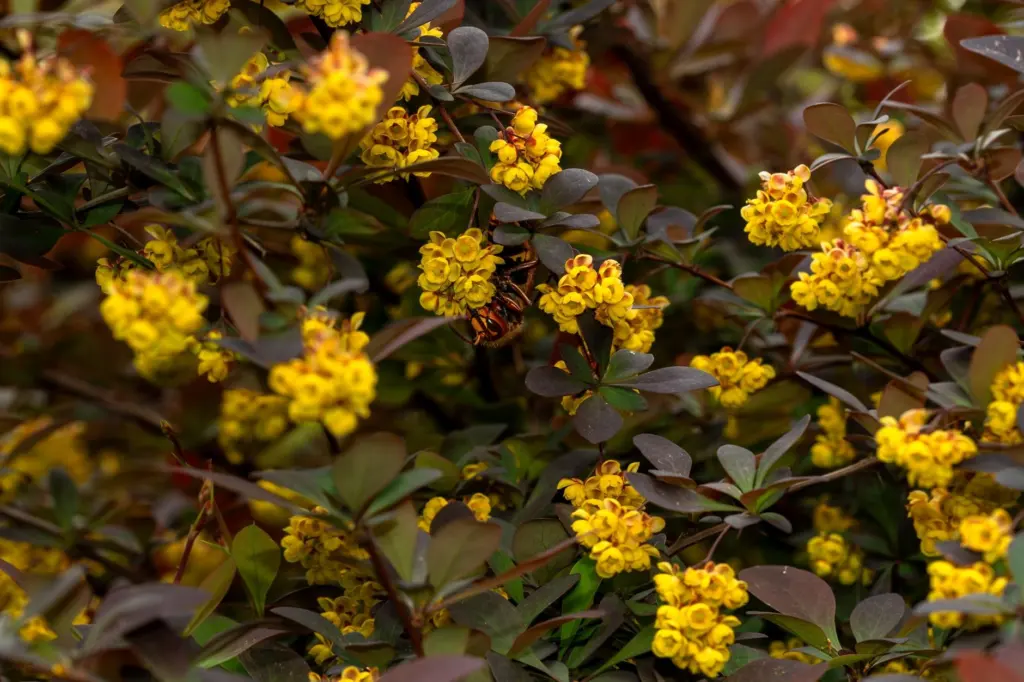
Japanese barberry is a good first target because it is a shrub, so it can be photographed in several seasons and compared against a guide. University of Maine Cooperative Extension describes the goal of invasive plant control in woodlands as removing invasive plants that choke out native trees, shrubs, and wildflowers, which is the harm monitoring tries to catch early. The detailed japanese barberry identification page covers the field marks and how to track a patch.
Vines and tall perennials
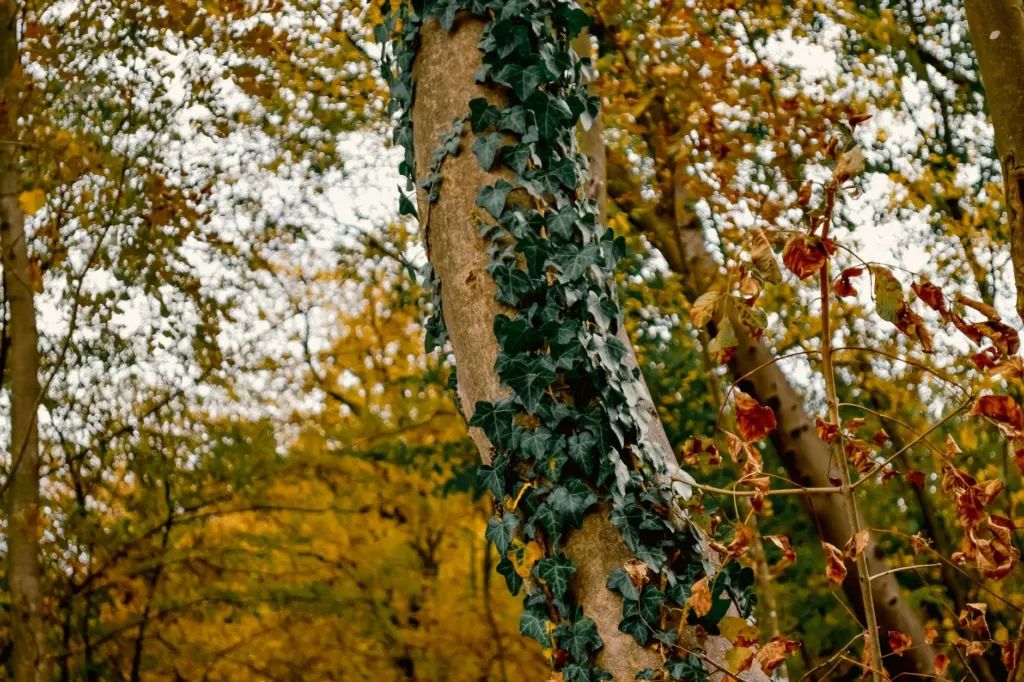
Vines and thicket-forming perennials damage a site by climbing or crowding rather than by a single obvious feature, so they reward a look at the whole stand. Use oriental bittersweet identification when you find a vine wrapped around trunks, and japanese knotweed in maine when you meet dense stands along edges and waterways. Record how much of the area is covered and which trees are affected, because extent shapes how urgent a response is.
Purple loosestrife and other wetland plants
Purple loosestrife is a wetland target, and it shows why monitoring and control are separate jobs. For widespread established invaders, classical biological control is the approach the federal information center describes as permanently reducing harm over large areas, and the loosestrife story is covered in purple loosestrife biological control galerucella. A volunteer’s job at a wetland is to record where the plant grows and how dense it is, not to release or remove anything.
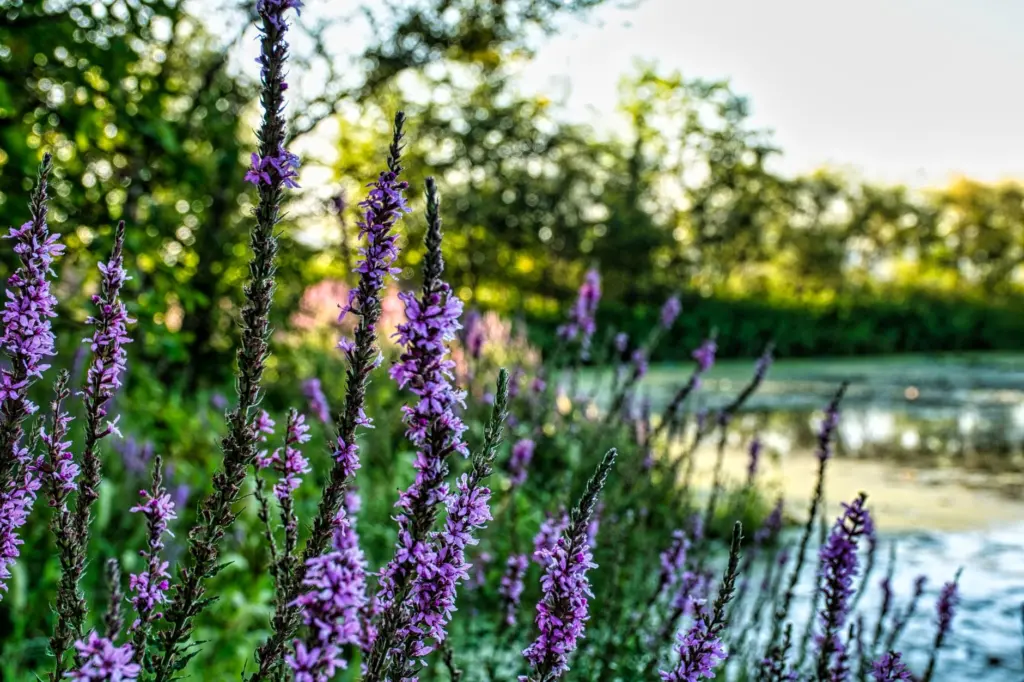
Not every common plant is a clear case, and a monitoring list needs judgement about borderline species. The page is rosa rugosa invasive in maine works through one familiar example, and it is a useful reminder to check status before reporting.
The insects route
Insect monitoring usually means looking at host trees for signs rather than for the insect itself. Pick a tree or a stand, check it on a regular schedule and note what you see on each visit. A repeated check of the same tree builds a record that a one-off glance cannot.
For hemlock, hemlock woolly adelgid identification explains what to look for on branches and how to report it. For defoliating caterpillars on hardwoods, winter moth maine covers identification and monitoring.
When you are not sure what you have found, record the host tree and the part of the tree affected, then photograph the sign close up and from a distance. Photographs taken at both scales make a report easier to check. If a species page names a particular reporting route, use that route rather than a general one, because it reaches the people responsible for that species.
The water and shoreline route
Water monitoring covers freshwater lakes and the coast, and the two call for different habits. Freshwater work often centres on boats and landings. Shoreline work centres on low-tide rocks and docks.
Lakes, ponds and boats
Maine has a long record of volunteer water monitoring. The Maine Department of Agriculture, Conservation and Forestry describes a program that is the longest-standing, state-wide citizen lake monitoring program in the U.S. If you spend time on a lake, that program is a strong reason to look for an established group before inventing your own routine.
Whatever you monitor, treat your own gear as a possible route for spread. Because invasive mussels spread mainly on boats and other watercraft, cleaning, draining and drying a boat after each trip is a practical part of monitoring, and the Interior Department’s advice applies to every kind of watercraft.
Rocky shores and docks
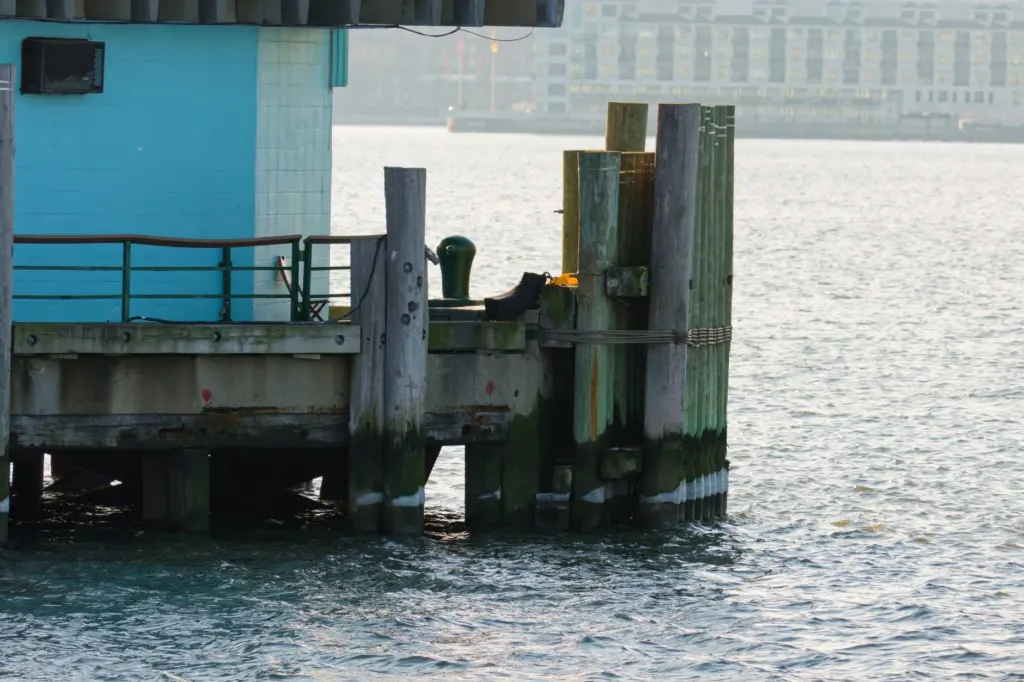
Marine monitoring centres on places where hard surfaces meet the tide. Rocks on the shoreline and structures such as pilings are both habitats where fouling and shore species gather, so they are the places to check. The overview invasive species in the gulf of maine introduces the main marine targets.
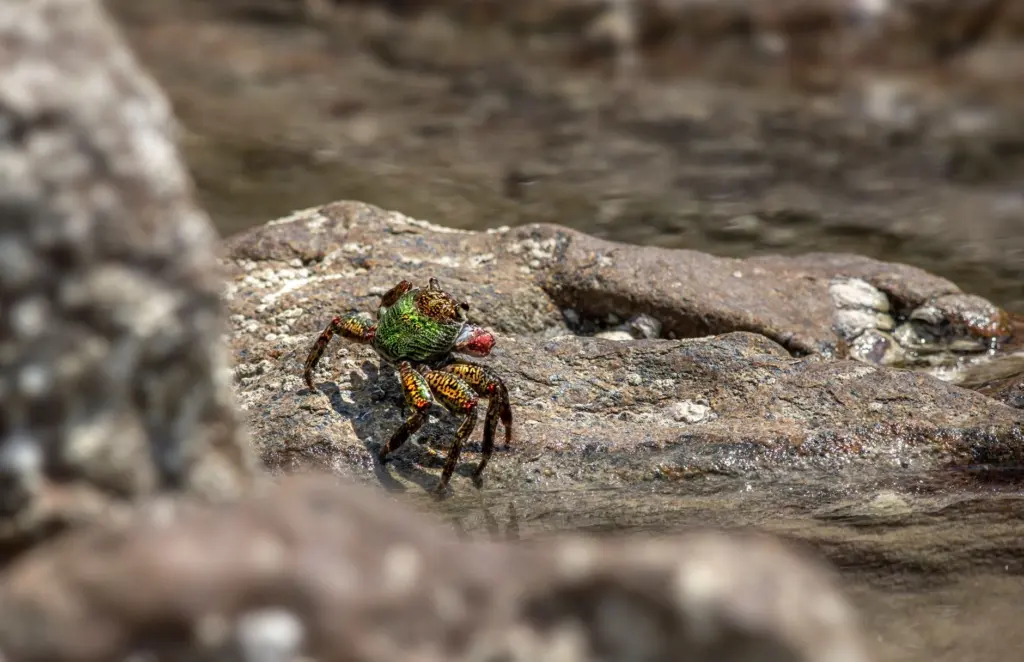
For crabs, compare your find against asian shore crab identification and european green crab maine. If you plan a structured survey of a rocky shore, how to survey rocky intertidal invasive species covers the method. Shore species are easy to confuse with look-alikes, so photograph before you decide.
Docks and pilings suit a different target. Fouling organisms grow on submerged surfaces, so they can be easy to miss from above, and didemnum vexillum identification shows what to look for on a dock.
Recording and reporting what you find
A report is only useful if someone can act on it. That means a clear identification, a precise location and a date, and the best way to keep these together is a consistent sheet. A standard invasive species field data sheet keeps the fields in the same order every time, so records from different days and different people can be compared.
A routine for each visit
- Name the target list. Write down the species you intend to look for before you start, so you can record absences as well as finds.
- Record place and date. Note the site and the date at the start of the visit, not afterwards from memory.
- Photograph what you find. Take a close photograph of the identifying features and a wider shot that shows the setting.
- Note extent and effort. Record how much of the area the species covers, and how thoroughly you searched.
- Report suspected finds promptly. Early reports give managers the most room to respond, as the earlier EDRR discussion explains.
Where to send a report
Reporting routes depend on the species. The Maine Department of Agriculture, Conservation and Forestry gives [email protected] as the contact for tree of heaven reports. For other species, use the route named on the species page or on the program responsible for the area, and send the same basics every time: a photograph, a location, a date and a note on how much you found.
If you are not sure a find is invasive, report it anyway with a clear photograph. A specialist can quickly rule out a harmless look-alike, while a missed early report cannot be recovered later.
The landowner route
Owning woodland adds a further decision, which is whether to control what you find. Hand control has limits: the federal information center notes that manual control can be labor-intensive, costly, and provide only temporary control. Plan for repeat visits and a realistic scale before you start pulling.
Cost-share support exists for some owners. University of Maine Cooperative Extension announced in 2023 that financial incentives for invasive plant control were available to public and private woodland owners with ten to one thousand wooded acres, and that the program would reimburse up to 50% of the cost based on the number of acres. That notice describes the 2023 program, so check the current terms and eligibility before you plan around it.
The practical sequence for an owner is to monitor first, map where the target plants are, and decide on control only once you know the extent. Monitoring records from your own land double as the evidence you would need for an incentive application, and they show whether treated patches stay clear.
Where Vital Signs fits
Invasive species monitoring is one strand of the wider program. Read about vital signs for background, follow the blog for updates, and open the map to see how observations are placed.
Structured activities sit under field missions, and mission vernal pool shows how a mission outside the invasives theme is organised. Teachers and school groups can start from vs classrooms.
Frequently asked questions
| Question | Answer |
|---|---|
| Are there native earthworms in Maine? | No. The Maine Department of Agriculture, Conservation and Forestry states that there are no earthworms native to Maine, so every earthworm you find in the state is an introduced species. |
| Can I bring freshwater fish into Maine? | Not without a permit. The same department notes that it is illegal to import any freshwater fish, and many other organisms, into Maine without a permit from Maine Inland Fisheries and Wildlife. |
| Where have browntail moth winter webs been found? | Across a wide span of the state. The department reports that browntail moth winter webs have been found from Northern Aroostook County to York County. |