
| Situation | Where to look | What you may find | Planning use |
|---|---|---|---|
| Planning the walk | Spray zone, then upper, mid and lower intertidal, then subtidal | A top-to-bottom order of bands | Walk the shore in this order so you do not skip a band or rush to the water’s edge. |
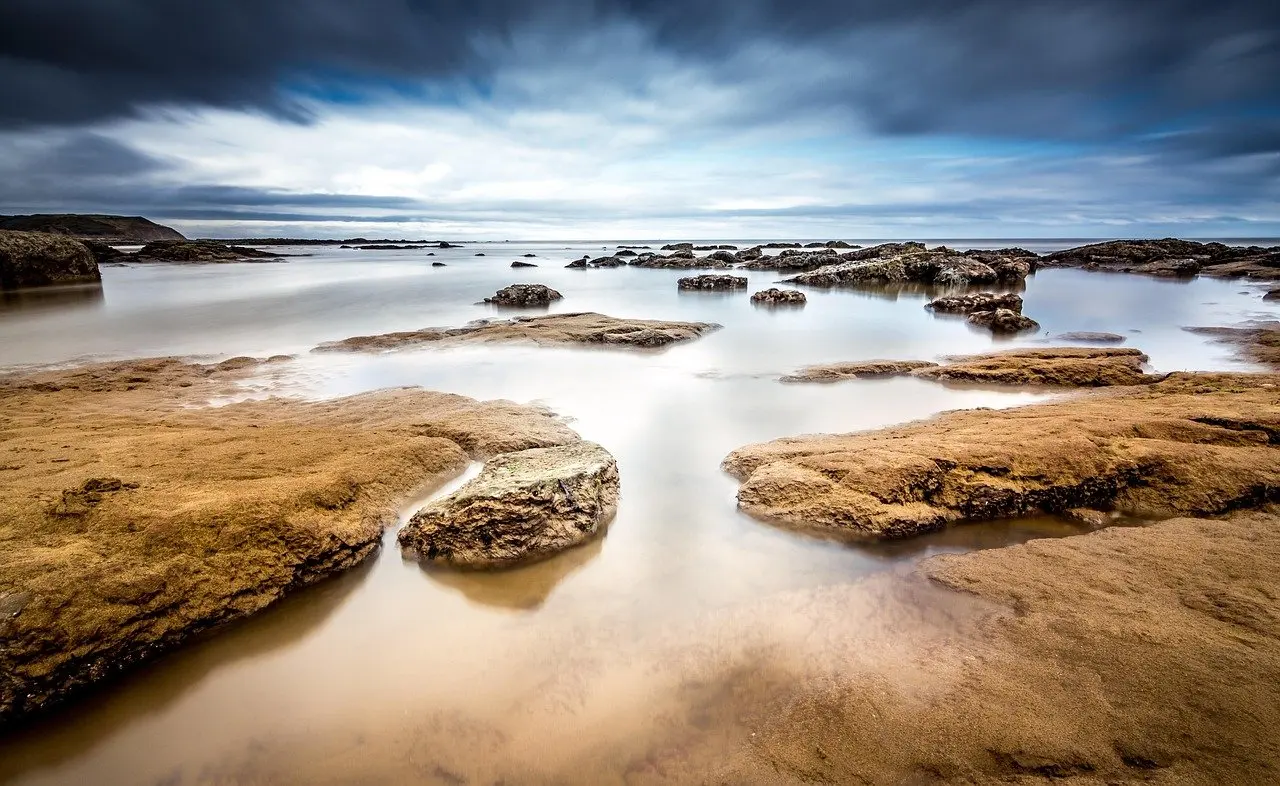
| Crossing open rock | Ledges and boulders in the wet bands | Rockweed and bladderwrack seaweed, with periwinkles on the rock | Expect wet, slippery cover. Look before you step and keep your weight off the seaweed where you can. |
| Looking for small animals | Beneath loose rocks | Many types of small crabs | Lift gently, look, and put the rock back as you found it. |
| Reaching the lowest band | Near or just beneath the waterline | Sea stars hiding among the rocks | Save this band for the lowest part of the tide cycle and stay back from the water. |
The glance table draws on the Frenchman Bay Conservancy intertidal trail notes and the band names in the Bigelow Laboratory intertidal investigation.
The Maine rocky intertidal zone is best read from the top down: spray zone, upper, mid and lower intertidal, then subtidal. Walk that order at low tide, look for seaweed, periwinkles, crabs and sea stars, and leave everything where you find it.
This guide is a shore walk rather than a species checklist, and it sits within the wider story of Maine ecosystems. The National Park Service describes the rocky intertidal as a unique habitat used by a variety of endemic plant and animal species, so it rewards slow, careful looking.
Walking the shore from the splash zone down
Treat the bands as a walking order. Each step down brings you closer to the water, and the living cover changes as you go. How wide each band is differs from one ledge to the next, so use the order as a guide and let the rock in front of you set the pace.
Spray zone and upper intertidal
The spray zone is the top band on the Bigelow list, the dry edge where the sea reaches you mainly as splash and mist. It suits a short stop at the start of the walk. Use it to get your bearings, note where the rock turns visibly wet, and decide your route down before you step onto slippery ground.
Periwinkle snails are the animals most likely to catch your eye as the rock gets wetter, because periwinkles commonly cover intertidal rocks. They are easy to see without touching, which makes this stretch the right place for children and first-time visitors to practise looking before handling anything.
Mid intertidal and the seaweed cover
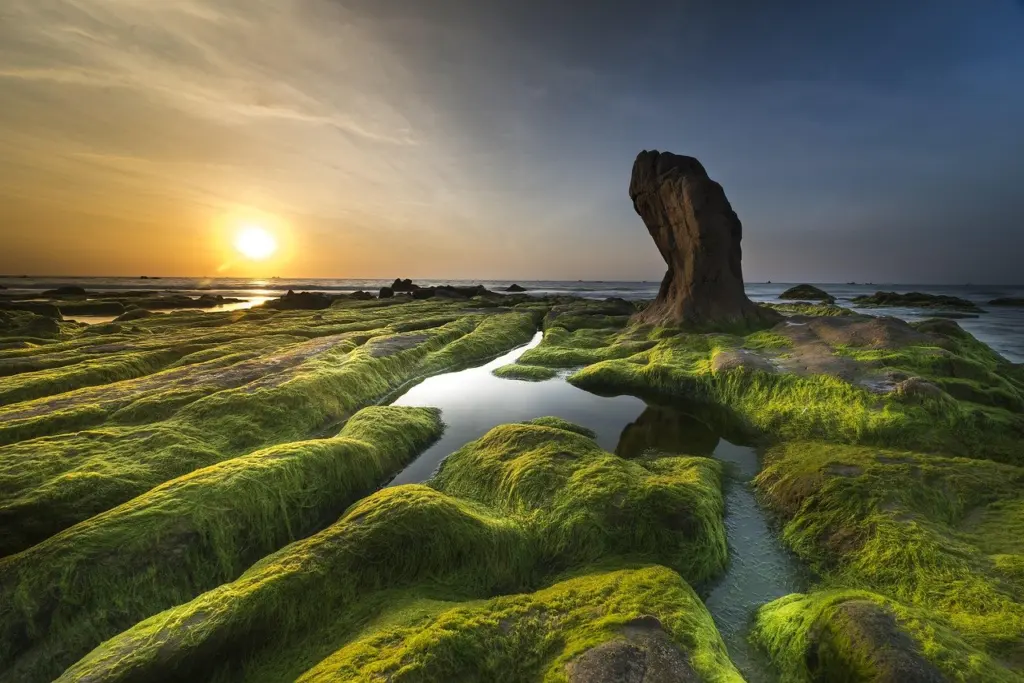
The mid band is where seaweed starts to dominate the view. Rockweed and bladderwrack often cover the rocks, and the Frenchman Bay Conservancy notes that this cover helps wet animals stay wet. That is the practical reason to avoid trampling it: the seaweed is part of the shelter that keeps small animals alive between tides.
The Casco Bay Estuary Partnership adds that rocky intertidal areas support rockweed and other seaweeds that absorb nutrients from the water and provide shelter. If you only have time for one band, this is the one to choose, because the seaweed carpet is the most visible feature of the shore and the clearest sign that you are on a working habitat.
Lower intertidal and the waterline
The lower band sits next to the sea and is exposed only when the tide is out. Near or just beneath the waterline you might see sea stars hiding among the rocks. This is the band to approach last and with the most care, because footing is wettest and the water is closest.
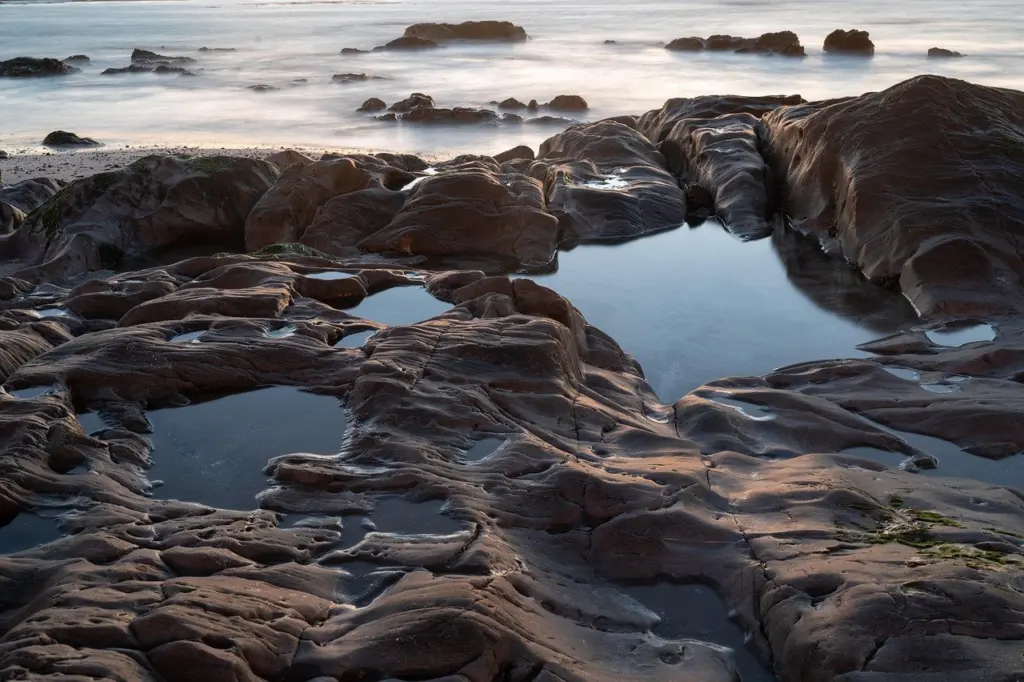
If you cannot see a sea star, that does not mean the walk failed. Look slowly across the rock crevices rather than scanning quickly, and accept that some visits turn up more than others.
Choosing what to look for
Different visitors want different things from the shore. These choices help you decide where to spend your time.
Periwinkle snails on open rock
The common periwinkle is the easiest animal to find and the least demanding. It suits anyone with limited time or mobility, since you can see snails on exposed rock without climbing down to the water. The limit is that periwinkles tell you little about the lower bands, so use them as a starting point and keep walking.
Small crabs under loose rocks
If you turn some rocks over, you can find many types of small crabs. This suits patient observers who like close looking. The condition is care: lift a rock only far enough to see beneath it, and return it to the exact position, because the animals underneath depend on the cover. Do not pull crabs out to hold them.
European green crab
Not every crab on the shore belongs there. The European green crab is a non-native species. The Casco Bay Estuary Partnership names it, together with the common reed, as an example of the establishment and expansion of non-native species that threaten marsh habitat. Its presence on the shore is a reason to report what you see to local conservation groups rather than a reason to collect anything yourself.
Tide pools
Maine tide pools are the best choice for a calm, low-effort visit. Shallow water collects in hollows of the rock platform, and the seaweed and animals around the pool edge are easiest to view without moving a single stone. They suit families and anyone who wants to watch rather than search.
People who enjoy tide pools often like other small-pool habitats too. If that describes you, the vernal pools in Maine are a different kind of seasonal pool worth reading about.
Encrusting animals on rock faces
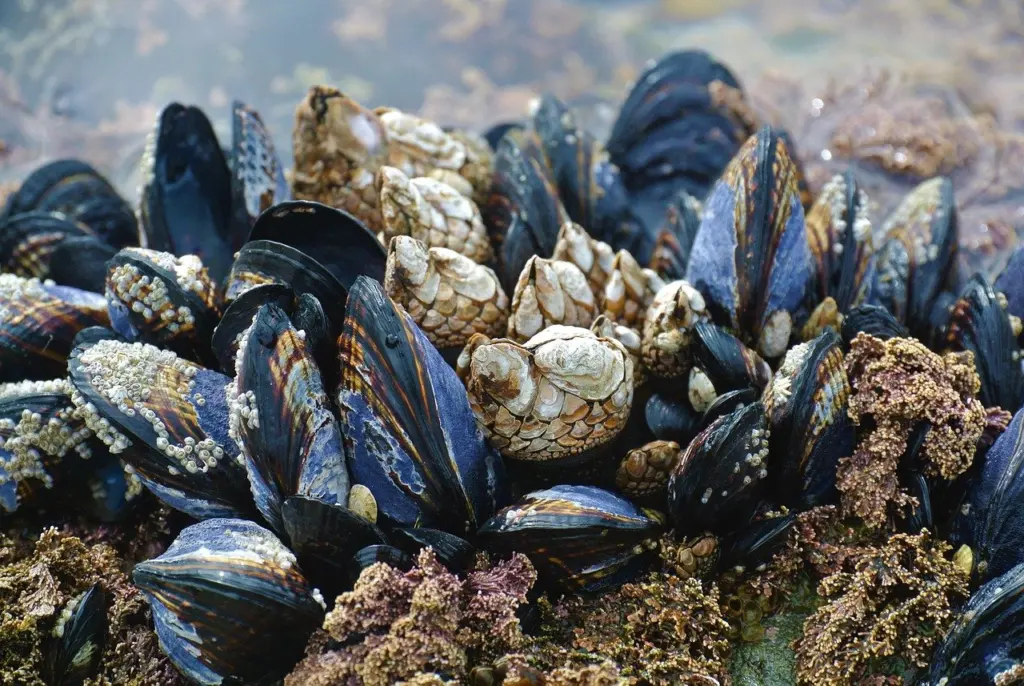
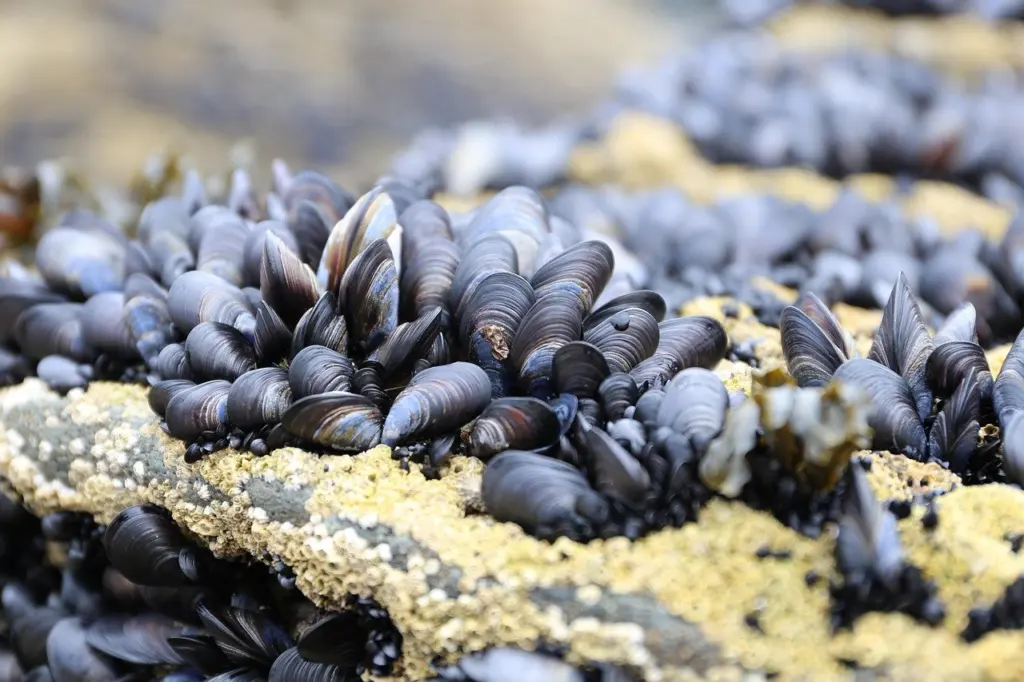
Besides snails and crabs, bare rock faces can carry tightly packed blue mussels and pale acorn barnacles. They are fixed in place, so there is nothing to chase and nothing to pick up. They are best admired from a short distance, since stepping onto them can crush the animals and scrape the rock they are attached to.
Observing intertidal life without harming it
The National Park Service is concerned that the popularity of rocky shores with park visitors can lead to adverse impacts on intertidal species. Careful behaviour from every visitor is the main protection, and it costs nothing.
Before you go
- Check a tide table. The animals you want to see are exposed only when the tide is out, and a tide table for your stretch of coast tells you when that is and when the water returns.
- Wear shoes with grip. Wet rock and seaweed are slippery, and a fall hurts people and crushes animals.
- Bring a camera, not a bucket. Photographs let you take the shore home without removing anything from it.
On the rocks
- Look first. Most of what you want to see is visible without touching: periwinkles on open rock, seaweed cover and animals in pools.
- Replace what you move. If you lift a rock to see crabs, set it back exactly as it was so the animals keep their shelter.
- Do not collect. Over-harvesting is among the threats the National Park Service lists for rocky intertidal resources, so leave animals and shells in place.
- Stay on bare rock where you can. The seaweed cover keeps wet animals wet, so step around it rather than across it.
The wider pressures on the shore
Your behaviour is only one part of the picture. The same National Park Service page lists climate change, energy development, invasive species, over-harvesting, ocean acidification and oil spills as threats. Seeing the shore as part of the larger Gulf of Maine ecosystem helps explain why small habits on the rocks matter beyond the beach.
Frequently asked questions
| Question | Answer |
|---|---|
| What lives in the rocky intertidal zone in Maine? | Rockweed and bladderwrack seaweeds, periwinkle snails, many small crabs and sea stars near the waterline are all described by the Frenchman Bay Conservancy for the Maine shore. |
| Where is Maine’s rocky intertidal habitat monitored? | The Northeast Temperate Network of the National Park Service monitors intertidal habitats in Acadia National Park and Boston Harbor Islands National Recreation Area. |
| How much rocky intertidal habitat does Casco Bay have? | The Casco Bay Estuary Partnership reports 3,241 acres of rocky intertidal in the bay, which also holds tidal flats, beaches and tidal marsh. |