

How to teach nature journaling: use a short ordered sequence of a standard entry header, a timed observation, then separate columns for observation and inference. It suits any class with notebooks and pencils.
The activities below are an ordered selection, not a ranking. Each builds on the one before, and together they fit into wider work on teaching biodiversity to students. The criteria for choosing them were simple: they run in a single class period, they need only a notebook and pencil, and a teacher can score the result.
Nature journal basics and supplies
A nature journal is, in the NAAEE guide to nature journaling, a space where students record their observations, their thoughts and their feelings. A field notebook is the working version of the same idea: dated, located entries made outdoors that students can later reread and analyse. With practice, according to Raritan Headwaters, journaling develops skills of observation, description and reflection.
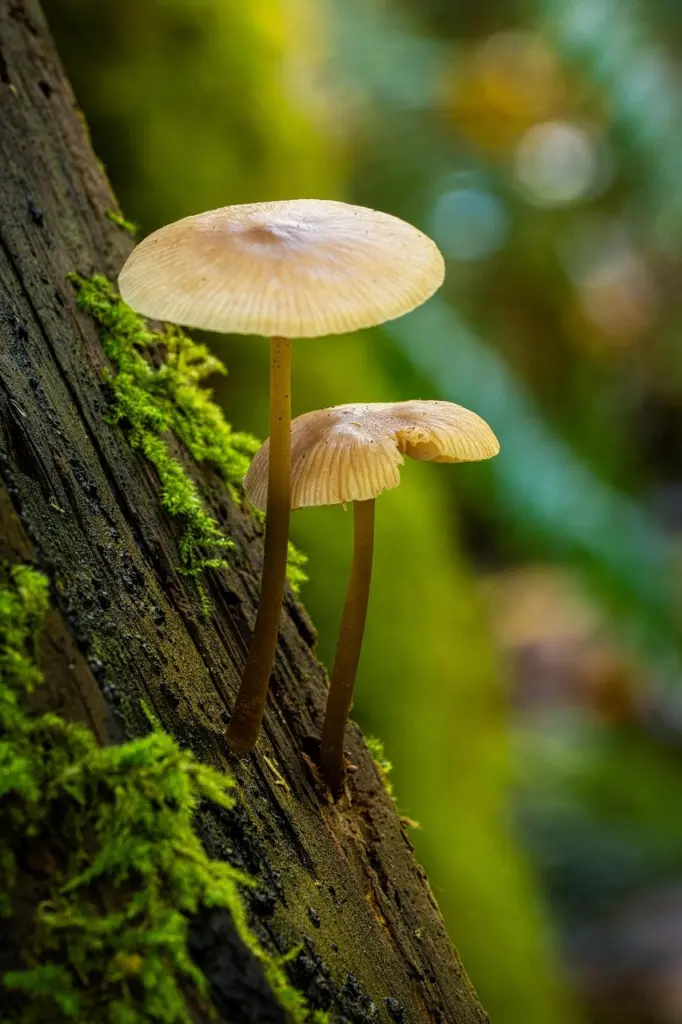
The basic kit is a journal or notebook and a pencil. Colored pencils and a small watercolor palette are optional. Start with pencil only. Extra supplies tend to turn the lesson into an art project, and the aim here is accurate information, not polished pictures.
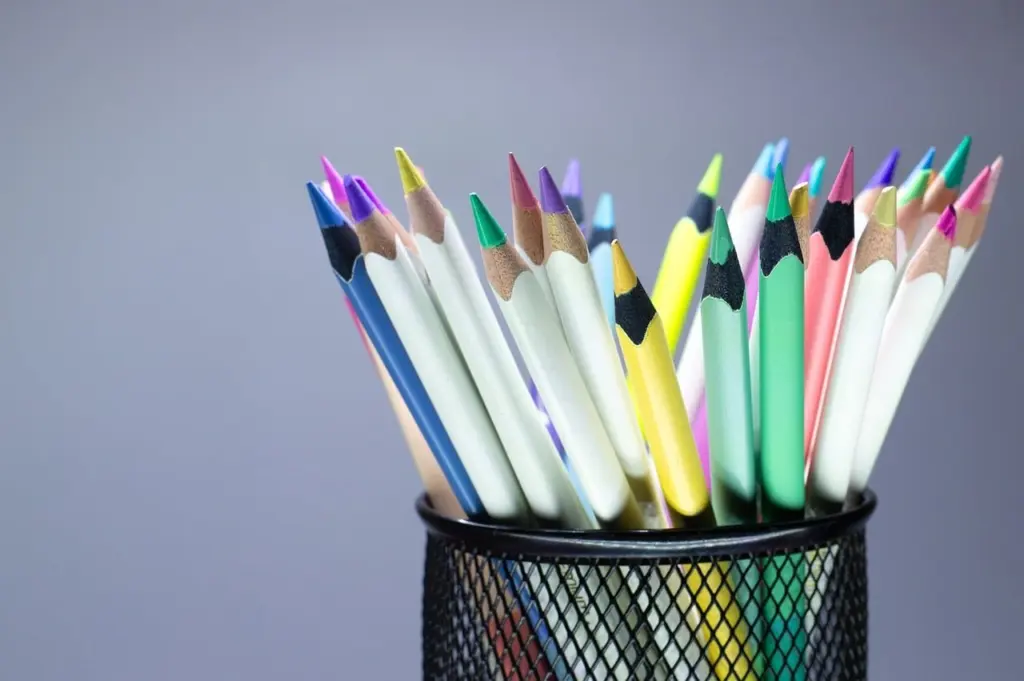
Starter activities in teaching order
Run these in sequence across a unit, or pick the first two for a single short visit outdoors. Each item states what it is, who it suits and where it falls short.

Standard entry header
Every entry begins with the same four lines: date, place, time of day and weather conditions, as recommended by Raritan Headwaters. This suits every grade because it is quick and builds the habit that makes entries comparable later. Its limit is that a header teaches record-keeping, not observation, so pair it with a prompt from the activities that follow.
Timed observation list
The simplest prompt is to sit for one minute and list or draw everything you see. It suits warm-ups, the youngest students and classes with little time. Because it covers sight only, follow it with a round that uses every sense except taste, which is the guidance in the same Raritan Headwaters guide.
Sit spot routine
A sit spot is an area far enough from other people that a student is not distracted. It suits students who rush through observation, because a settled place slows them down. It works best on sites where you can still see every student, and it does not suit crowded schoolyards at break time.
Draw and match
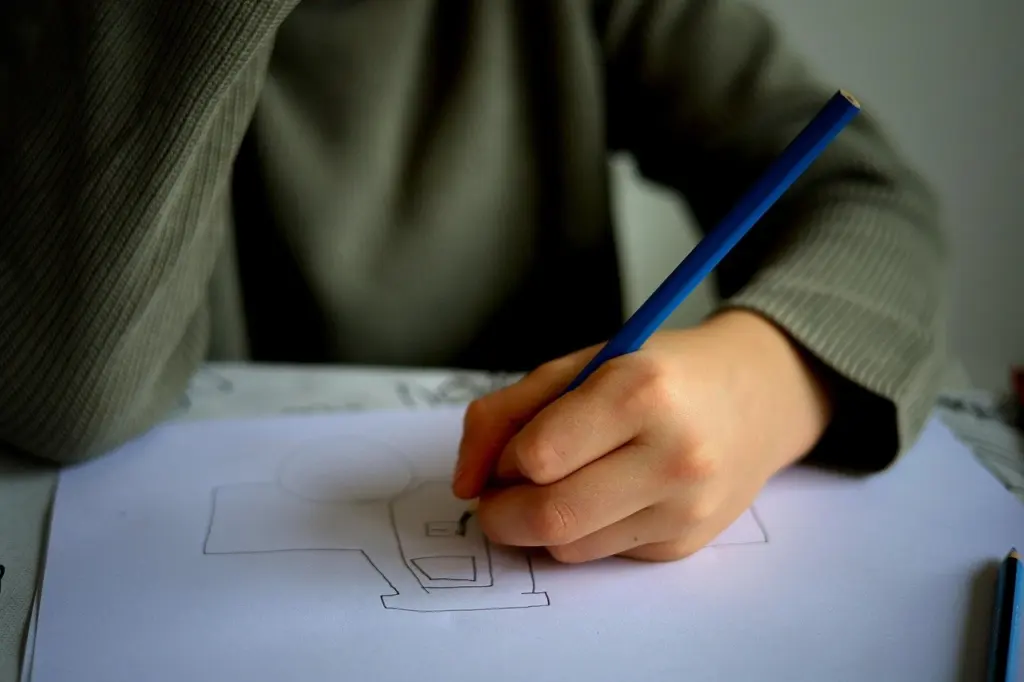
In the Wild Wonder activity To Each Its Own, students draw and describe one item from a set of similar objects, such as leaves or shells, then use their notes to match their item to the right one. The activity reframes drawing and journaling as tools for communicating information rather than decoration. Students learn strategies for accurate, data-rich entries and practise producing scientific text. It suits students who say they cannot draw. The limit is preparation: you need a set of similar objects collected beforehand.
Notice, wonder, connect
The BEETLES Project at the Lawrence Hall of Science developed guiding prompts that the NAAEE guide reproduces: “I notice…” to observe, “I wonder…” to ask questions, and “This reminds me of…” to make connections. This set suits any class ready to move beyond lists. The limit is that the stems alone do not tell students which statements are observations, so use them alongside the activity further down this page.
Comparing the starter activities
| Activity | Time and setting | Best for | Watch out for |
|---|---|---|---|
| Standard entry header | Added to every entry; any setting | Building a consistent record | Does not teach observation by itself |
| Timed observation list | One minute of sitting; anywhere | Warm-ups and youngest students | Sight only unless other senses are added |
| Sit spot routine | A spot away from others | Focused, unhurried observation | Needs a site where students stay in view |
| Draw and match | A set of similar objects, such as leaves or shells | Reluctant sketchers; data-rich notes | Objects must be gathered in advance |
These details come from Raritan Headwaters and the Wild Wonder activity To Each Its Own.
Observation versus inference activity
Observation is what students detect with their senses. Inference is the explanation they attach to it. Students blur the two constantly, so give them a page with side-by-side columns and a rule that nothing goes in the left column unless another student could point to it.
- Left column, observations: start with “I notice…” and use every sense except taste. Ask for specifics, since Raritan Headwaters advises being specific in observations and descriptions.
- Right column, inferences and questions: use “I wonder…” and “This reminds me of…”, and add a stem such as “Maybe… because…” so students link an explanation to the evidence on the left.
- Revision challenge: have students pick a statement such as “the mushroom is old” and rewrite it as something they could point to or describe. The original then moves to the right column as an inference.
Reusable field journal template
Use one layout all year so students spend their effort on observing, not on organising the page. A workable field journal template has these parts:
- Header: date, place, time of day and weather conditions.
- Labelled sketch: a drawing with short labels that carry information.
- Observation column: sensory, specific statements beginning “I notice…”.
- Inference and question column: “I wonder…” and “Maybe… because…” statements.
- Connection line: one sentence beginning “This reminds me of…”.
For different grade levels, adjust how much students write, not the layout. The NAAEE guide notes that younger children may not yet be capable of journaling but can still observe and note their surroundings. Let them draw and talk through the page while you add the header, and ask older students to complete every part themselves.
Scoring journals fairly
Score evidence of observing, not artistic skill. Share the criteria before the first entry, apply the same ones to every student, and rate each as not yet, developing or secure so that growth over time is visible.
- Complete header: date, place, time of day and weather conditions are all present.
- Specific observations: statements name details that others could check, in line with the Raritan Headwaters advice on specificity.
- Clean separation: observations sit in the left column and explanations in the right.
- Informative sketch: the drawing and labels communicate information, which is the purpose Wild Wonder gives for drawing in a journal.
- Questions and connections: at least some entries use “I wonder…” or “This reminds me of…” in a way that relates to what was seen.
Once entries hold dated, specific observations, they become usable data, and how to analyze ecological data with students is the natural next step. For a whole-class follow-up that links individual organisms to communities, try the biodiversity jenga activity.
Frequently asked questions
How long should a first journaling session last?
Raritan Headwaters lists a duration of 30 minutes or more for its Nature Journaling 101 activity. For a shorter lesson, run only the timed observation list and the entry header.
Where can students journal?
Anywhere. The Raritan Headwaters guide names a backyard, a park or a window, and it is written for all ages.
How do I start a routine with younger students?
Begin with observing and noting surroundings, which the NAAEE guide says younger children can do before they can journal. Add written entries gradually.
Where can teachers learn more about journaling?
The NAAEE guide points to a self-paced Cornell Lab of Ornithology course on observation skills. It also recommends a book by John Muir Laws and Emilie Lygren as a comprehensive tool for teaching students, free to download.