
| Phase | What students do | Teacher role | Planning use |
|---|---|---|---|
| Prepare | Set up a field notebook and review what they already know | Check district policy; choose a site | Do this indoors before the class leaves the building |
| Question | Predict what they expect to see and why; turn curiosity into a question they can investigate | Prompt, do not supply the question | Allow time here; weak questions cost the most later |
| Observe and plan | Look from different vantage points; record in words, drawings, symbols or tables | Circulate and ask what they notice | Keep this phase open even in a structured lesson |
| Investigate | Collect data, noting date, day, time and weather | Check routines, not answers | Plan a consistent recording method |
| Make sense and share | Compare findings, explain how the world works, raise new questions | Facilitate discussion | Use new questions as the next visit’s starting point |
This sequence draws on the NSTA lesson What Can I Observe Outdoors? and the National Education Nature Park enquiry guide.
Inquiry based science teaching outdoors works best as a progression: give students a structured question first, then loosen your guidance until they pose and test their own. Check district policy before leaving the building.
This guide follows one full inquiry cycle in the order you will teach it. For the wider picture of fieldwork and species study, see our overview of teaching biodiversity to students.
Preparing students and site
Preparation decides how much freedom students can handle outdoors. NSTA advises teachers to check their district’s policies on taking students outside during the school day, so settle that before planning the lesson itself.
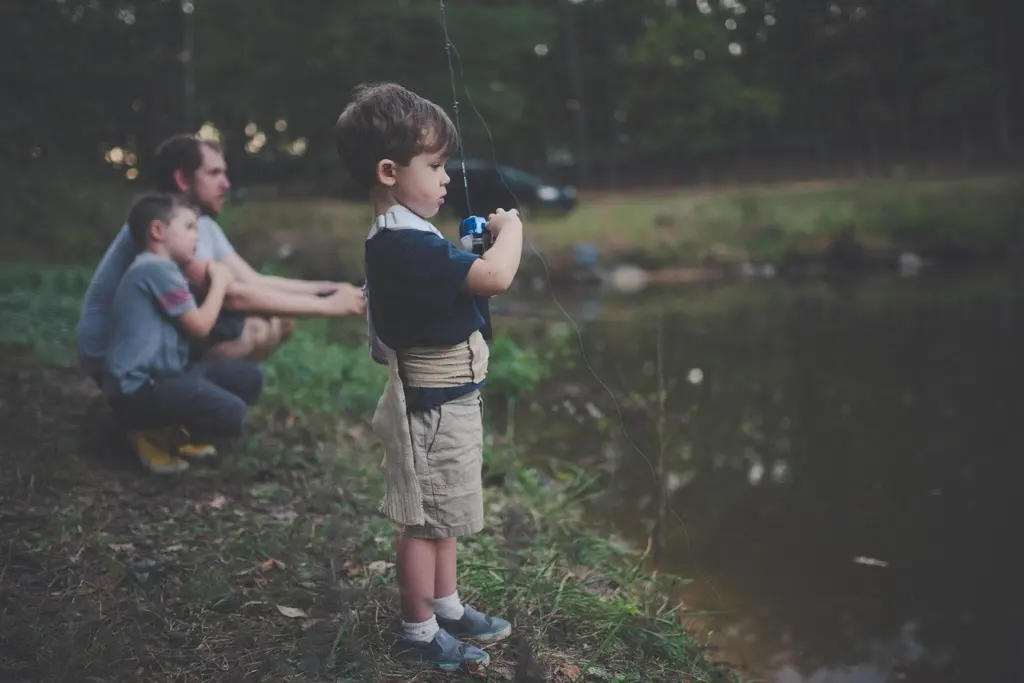
Give every student a field notebook. NSTA describes a field journal as a notebook for recording or sketching observations outdoors, where scientists and naturalists note what they see, smell and hear and may add sketches. Treat it as the main thinking tool of the lesson, not an add-on.
Decide your starting level of structure at this stage. The Next Generation Science Standards are K–12 science content standards, and they give local educators the flexibility to design classroom learning experiences, according to STEM Teacher Leadership Network. That flexibility means you can choose a tightly guided first visit or a looser one depending on your class.
Phase one: wondering and questioning
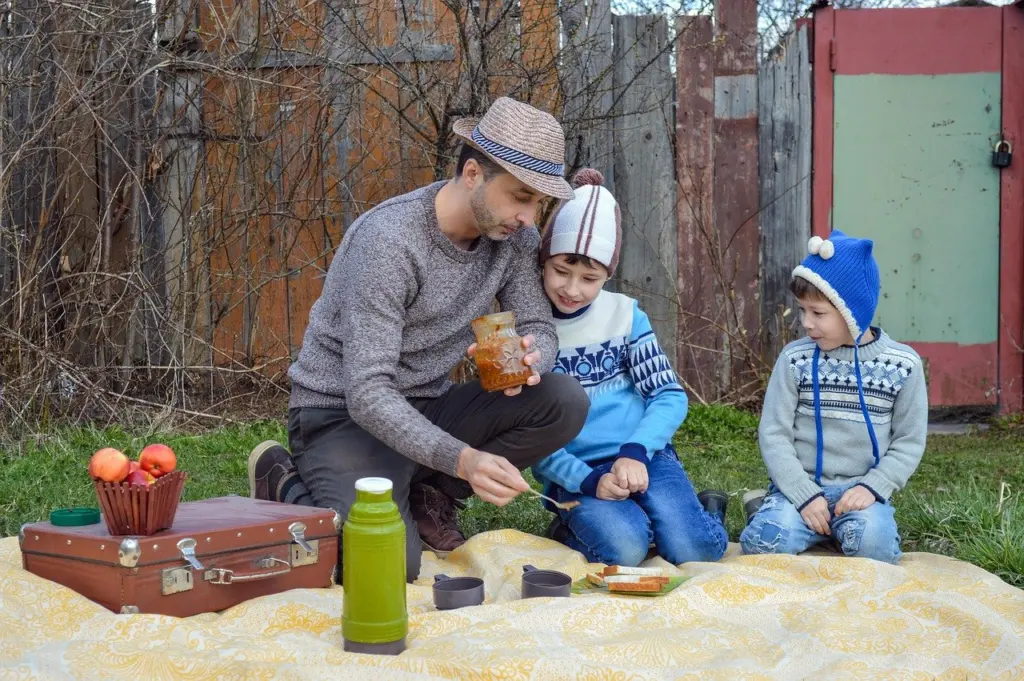
Students need a question they can actually investigate, and the teacher’s job is to prompt rather than hand one over. NSTA models this with an open prompt: if we wanted to learn how an area changes over time, how could we figure it out? A prompt like this turns a general wish to look at a green space into a question about method.
Predictions as working hypotheses
Before students look closely, ask what they would expect to see in this environment and why they say so. That justification is the heart of a hypothesis: a prediction with reasoning behind it. Students who write a reason, not just a guess, have something to test and revise later.
Moving from structured to open questions
Early in the progression, offer a question yourself and let students choose how to answer it. Later, offer only a prompt such as the one above and have pairs draft their own questions in their notebooks. A KWHL worksheet (what we know, want to know, how we will find out, what we learned) is supplied alongside the Education Nature Park enquiry guide and suits this drafting step.
- Pose a broad prompt about the site.
- Ask students to record what they expect to find and why.
- Have pairs write a question in their notebook.
- Ask each pair how they could find the answer, and refine any question that cannot be answered by looking or measuring.
Phase two: observing and planning
Observation comes before method. NSTA suggests prompts that help children make observations from different points of view, so ask students to look from low down, from a distance and up close before they commit to a plan. These perspectives often reveal a better question than the one they started with.
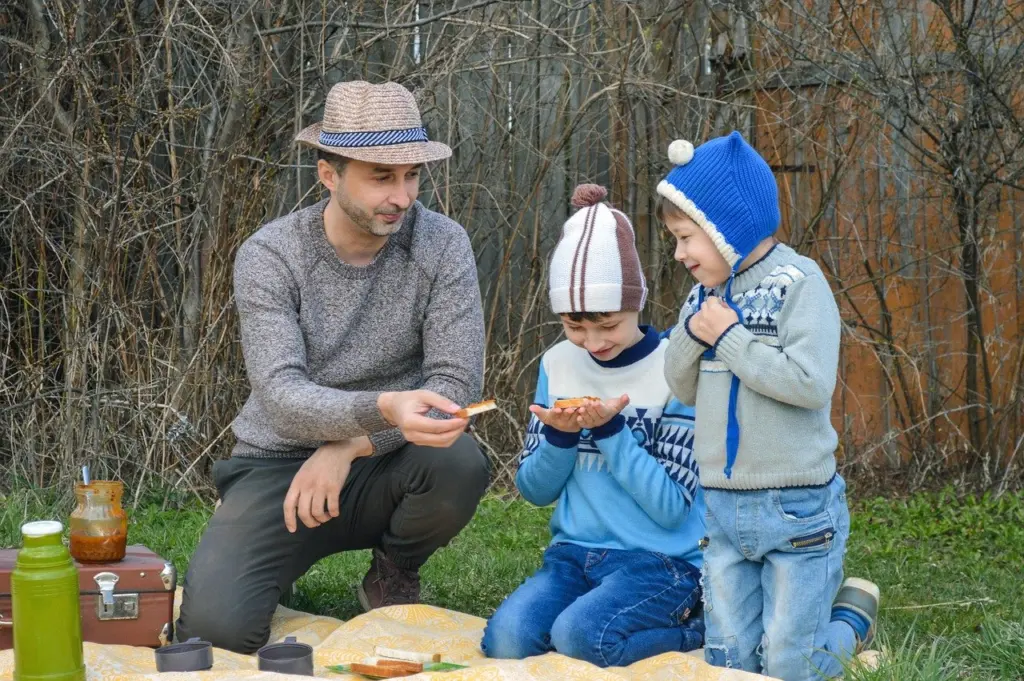
Students can record in words, drawings, symbols or tables. Accept all of these at first, and move toward tables once a group knows what it will measure.
Once students have looked closely, ask each group to say what they will compare, where they will look and how they will write it down. A plan that fits on a notebook page is enough for most field lessons.
Phase three: carrying out the investigation
Data collection is where open-ended work is most likely to drift, so build a few routines and leave the rest to students. NSTA suggests writing the date, day, time and weather next to notes and drawings, which gives every entry context and makes later comparison possible.
Managing a class during open-ended work
Open-ended does not mean unsupervised. Agree boundaries and a recall signal before leaving the room, and give each group a clear job for the visit so that everyone is recording. Spend your time moving between groups and asking what they have noticed, not directing.
Structured recording helps most when groups are measuring the same thing. A shared field data sheet template for students keeps early investigations comparable, and you can drop it once groups design their own methods.
- Hand out notebooks and confirm each group’s question and job.
- Record date, day, time and weather before collecting data.
- Visit each group and ask what they notice and what they will try next.
- Call the class back with the agreed signal and gather notebooks.
Phase four: making sense and asking again
Analysis turns observations into explanations. NSTA defines sensemaking as actively trying to figure out how the world works, and it is the core of science and engineering practice. In practice, ask groups to compare notebook entries, say what pattern they see and explain why they think it appears.
Investigations often raise new questions. Treat these as a result, not a failure, and record them on the board so they can start the next cycle. Scientists also revisit and photograph the areas they study from season to season and year to year, so a return visit gives students a real way to ask how a place changes.
Choosing how much structure to provide
Match structure to what students can already do, and reduce it one element at a time. Structure is not a fixed amount, since the standards give educators design flexibility.
- Structured start. You supply the question and the method. This suits a first outdoor visit or a class new to notebooks. A ready-made activity such as the biodiversity jenga activity can give students a shared experience before they design their own work.
- Guided middle. You supply the question; students choose what to record and how. This suits groups that can already keep a notebook.
- Open inquiry. You supply only the site and a prompt; students pose, plan and test. This suits classes that have run several cycles and can work independently.
Move back a step whenever the group struggles, for instance when questions cannot be answered by observation. Dropping to a guided approach for one phase is a normal adjustment, not a retreat.
Aligning field inquiry with NGSS practices
Field inquiry fits the Next Generation Science Standards because they ask students to use the practices, concepts and content of science and engineering to understand phenomena, as summarised by OER Commons. The practices are the science and engineering practices: asking questions, planning and carrying out investigations, analysing data and constructing explanations. Each phase above maps onto one or more of them, and a real outdoor site supplies the phenomenon.
The standards set expectations for what students should know and be able to do, according to the STEM Teacher Leadership Network. They do not dictate where or how you teach, so use your site and notebook evidence to show students meeting those expectations.
Troubleshooting common problems
- Questions are too vague. Return to the prompt that asks how they could figure it out, and have students name what they would look at or compare.
- Groups finish quickly. Ask them to look from a different vantage point, or to record what the new observation makes them wonder.
- Entries are hard to compare. Add the date, day, time and weather routine and, if needed, a shared data sheet for the next visit.
- Students want certainty. Remind them that investigations often raise new questions, and that a new question is a legitimate finding.
Frequently asked questions
Do students need to write a formal hypothesis?
Not at first. Ask what they expect to see and why, which gives a justified prediction they can test. Formal wording can follow once they are comfortable with that reasoning.
What does sensemaking mean in a field lesson?
NSTA defines sensemaking as actively trying to figure out how the world works. Students do it when they use notebook evidence to explain a pattern in their own words.
How can I check that an outdoor lesson aligns with NGSS?
The NGSS EQuIP rubric, listed on OER Commons, provides criteria for measuring the alignment and overall quality of lessons and units. Use it on your plan before teaching.