
| Effect of the setting | What is supported | Planning use |
|---|---|---|
| Live interaction | In-person learning allows real-time interaction with teachers and peers. | Run field sessions when a teacher can answer questions on the spot, for example when a student is unsure how to read a measurement. |
| Hands-on science | Science labs and other hands-on subjects benefit from in-person practice. | Keep handling, measuring and recording physical wherever you can. |
| Replicating the experience | Lab experiences are difficult to replicate for online students. | Do not treat a video of a site as the same learning as being there. |
| Moving content online | Recording a lesson and posting it does not guarantee learning. Teachers need to distill key goals and use technology features to meet them. | Rewrite the task around its goal instead of copying the volunteer version unchanged. |
These findings come from an American College of Education blog post and an Ask the Expert interview from Michigan State University.
Field monitoring vs classrooms comes down to setting and practice. Volunteers observe in person at a site, while classroom projects can run in a room or online. Teachers get the most by keeping practice hands-on and adapting the protocol.
If you want the wider picture of what volunteers actually record and why, start with our overview of invasive species monitoring, then return here to decide what to carry into a lesson.
What changes between the field and the classroom
Moving a monitoring task between settings changes who can ask questions, what students physically handle and what counts as finished work. Those three shifts matter more to a teacher than the label on the activity.
Feedback happens on the spot
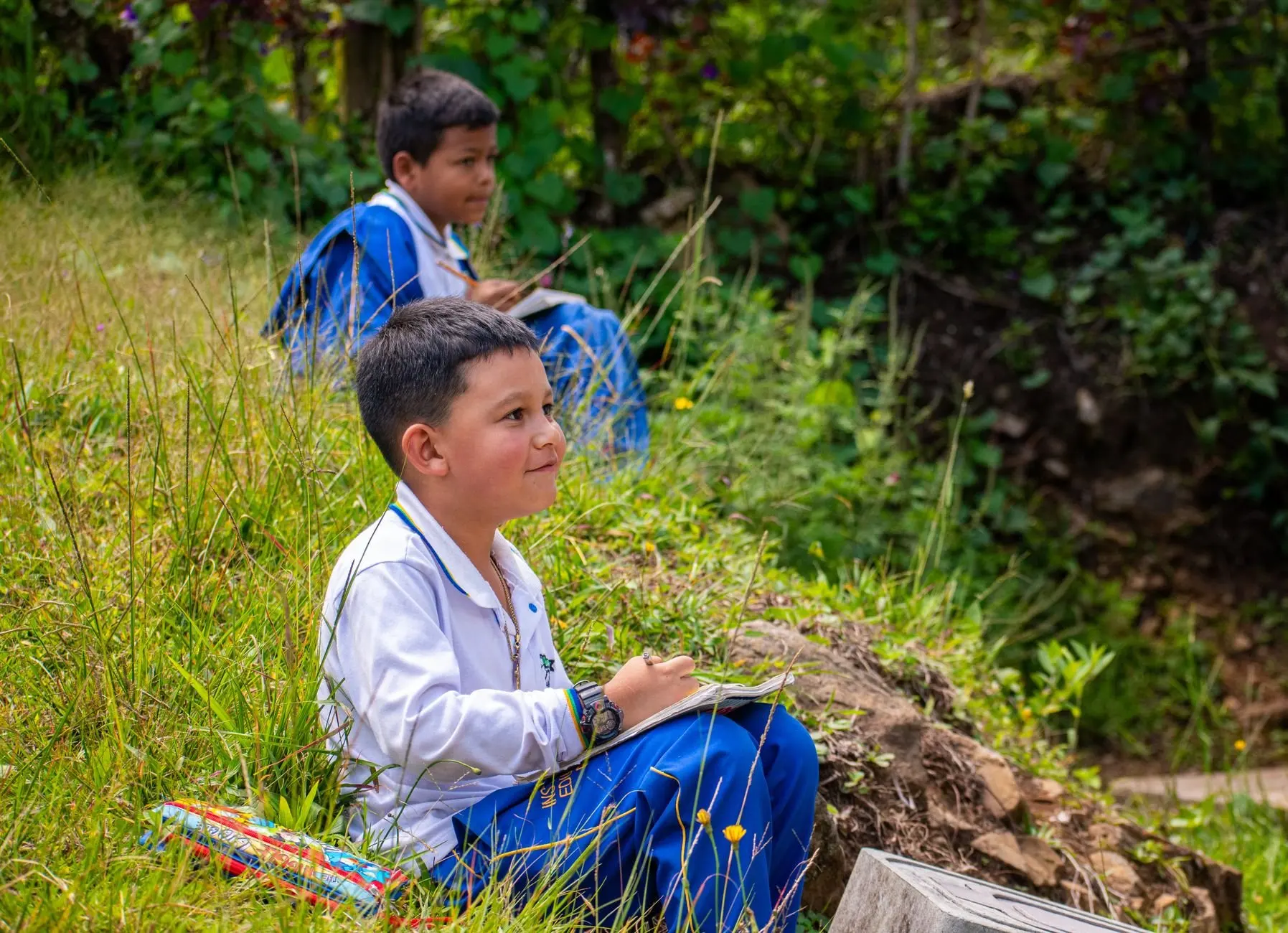
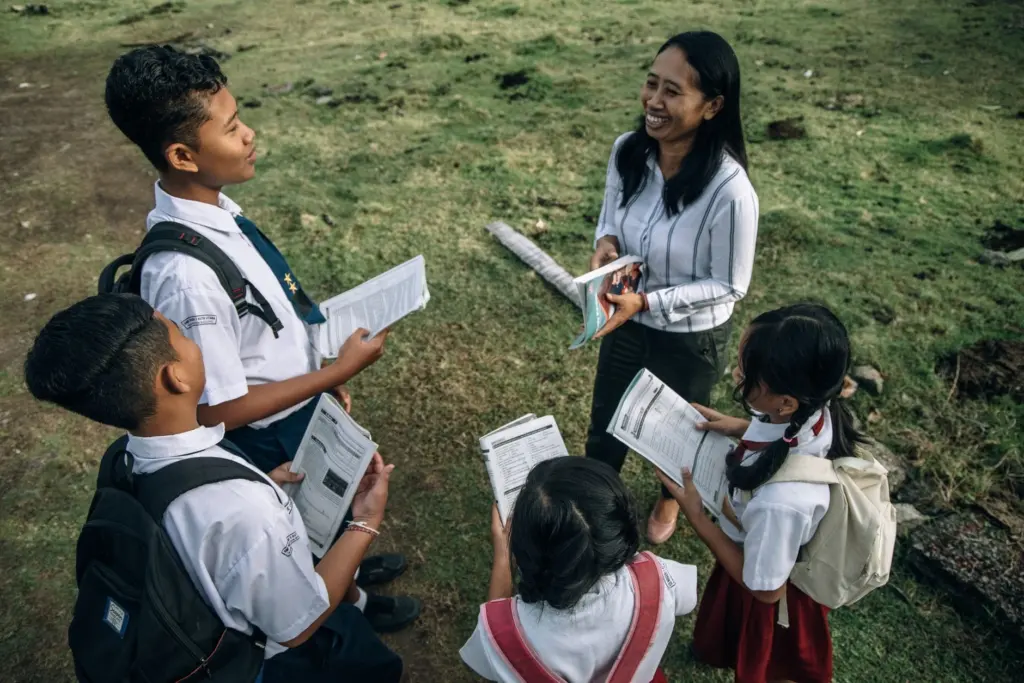
In-person learning lets students interact with teachers and peers in real time. For monitoring, that matters at the moment of observation. A teacher standing beside a student can correct how a reading is taken or how a feature is described before it goes into a record. A delayed, written correction arrives after the habit has already formed.
This is the strongest argument for keeping at least some of the work live and on site. If a class can only get outside once, spend that visit on the steps where a mistake is easiest to make and hardest to fix later, and leave tidy data entry for the room.
Practice stays physical
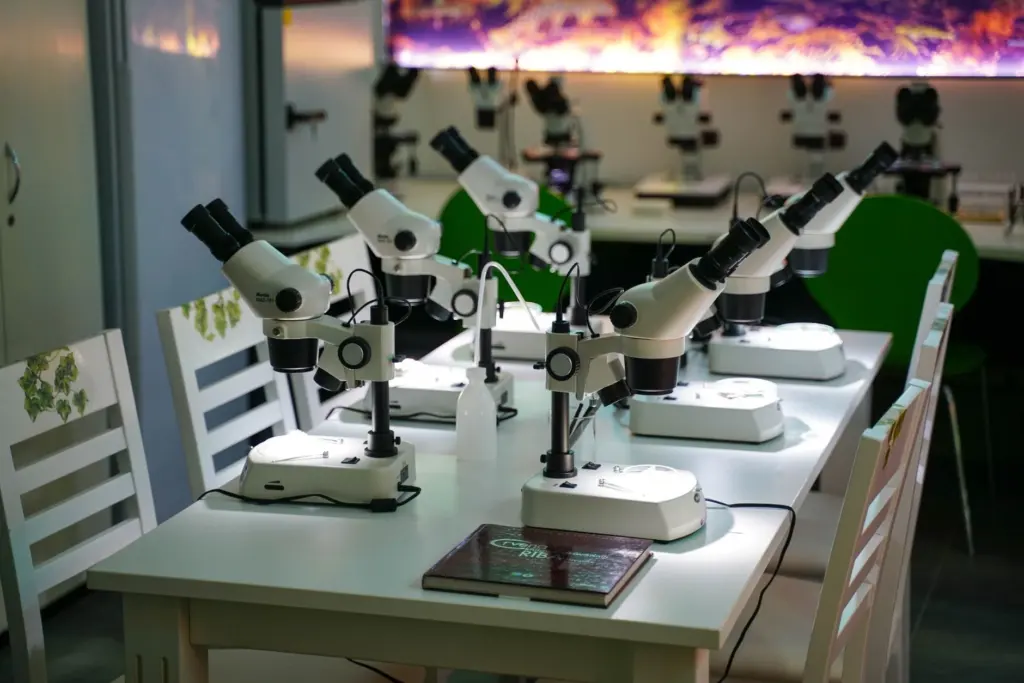
Classroom science and field-based learning share a need for hands-on practice. Science labs and other hands-on subjects benefit from it, and replicating that experience for online students is difficult. A classroom table with specimens and magnifying tools keeps the practice physical even when the weather or the schedule rules out a site visit.
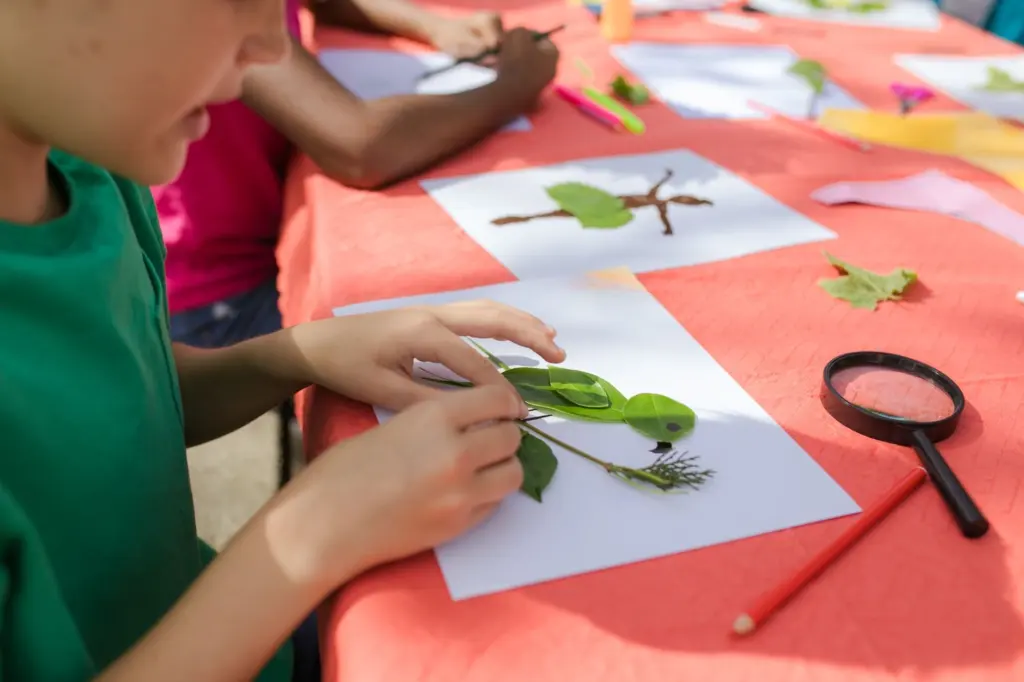
The practical consequence is a split of labour. Use the room for close examination and comparison, and use the field for what only a site can offer: the organism in its setting, with its neighbours.
Volunteer field monitoring and classroom projects side by side
Volunteer field monitoring is observation done at the place where organisms live, usually by people who chose to take part. A classroom project is organised around a group, a timetable and learning goals, so the same protocol behaves differently once a teacher is responsible for it.
The choice between the two is rarely all or nothing. These pairings help decide which fits a given lesson:
- Choose field-based learning when the point is the organism in its habitat, when students need to practise taking a reading correctly, or when live questions will shape what they notice.
- Choose a classroom project when the goal is comparing specimens, reviewing records already collected, or practising a skill before going outside.
- Combine them when time allows. A short classroom briefing before a site visit and a review afterwards put each setting to the use it suits.
- Wait on the field visit if students cannot yet follow the protocol steps. Practising indoors first protects the quality of what they record outdoors.
A volunteer decides alone how much to attempt in a session. A teacher manages a whole group, so the protocol has to be sized to what every student can do without constant help.
Adapting field protocols for a class
A teacher adapts a field protocol by deciding what the lesson is for, then trimming the protocol to serve that goal. Michigan State’s guidance on moving instruction between formats says the same thing: teachers need to distill their key goals and use technology features to meet them.
Start from the goal, not the form
Write down what students should be able to do afterwards. It might be to describe an organism accurately, follow a set of steps in order, or explain why a record needs a place and time attached. Then keep only the protocol steps that serve that goal. A volunteer protocol carries every step because its purpose is the record itself. A lesson protocol carries only the steps that build the skill.
Let technology serve the task
Technology features are worth using when they meet a stated goal. A tablet or phone can suit a lesson about photographing and describing what students see. It adds little if the goal is careful hand observation, where it may pull attention away from the organism. Decide the goal first and choose the device second.
Merely copying material into a new format does not work. Educators cannot just scan the textbook, record the lesson and put it online. The same applies to field work: handing students the volunteer instructions unchanged is the equivalent of that scan.
Size the task to the group
- Narrow the target. Ask for a few well-recorded observations rather than a full survey, so quality has room to improve.
- Assign roles. Spread tasks such as observing, recording and checking across the group, so every student has a defined job and the teacher can see where help is needed.
- Rehearse indoors. Run the protocol once at the classroom table so the first outdoor attempt is not also the first time students meet the steps.
- Plan the review. Set aside time afterwards to compare records, since that is where the group learns what went well.
What research says about outcomes
Research reported by Michigan State University found that students in online learning performed better than those receiving face-to-face instruction, provided the instruction was designed well. That finding concerns online teaching, not outdoor learning. Its useful lesson for field-based learning is that outcomes follow design more than setting.
For teachers, that cuts both ways. A well-designed classroom project can outperform a vague field trip, and a field visit with a clear goal gives students something no screen can. The location alone does not guarantee learning. What the research supports is planning the task around its purpose, which is why the adjustments above start with goals rather than equipment.
The hands-on argument is separate and rests on practice. Science subjects benefit from in-person, hands-on work, so a plan that removes all physical handling is giving up something real even if it performs well on other measures.
Frequently asked questions
How can a class handle students who miss a field session?
Record the briefing so absent students can catch up. Drexel’s School of Education notes that its professors record meetings for students who cannot attend live and upload the video to the course folder, as described in its virtual classroom guidance. A recorded briefing helps with the instructions, but it does not replace the hands-on part.
Can field monitoring be self-paced like virtual learning?
Virtual learning is usually self-paced, or asynchronous. Field observation depends on being at the site, so it is tied to a time and place. If you want self-paced work, keep it for the parts that can happen anywhere, such as reviewing records or reading the protocol, and keep the observation itself as a live session.
What should a teacher prepare before using devices outdoors?
Compile a list of the hardware and software the task needs and check that they work together. Drexel describes this as the first step in setting up a virtual classroom, and the same discipline applies when devices go outdoors. Include cost on the list so the plan stays realistic for the school.