
| Phase | Timing | What to look for | Planning use |
|---|---|---|---|
| Tree wrap set-up | Early November, before moths emerge | Wraps in place on trunks | Have monitoring gear on the trees before adults appear. |
| Adult flight | November through December; males also seen flying into January | Light brown males near lights; wingless females at trunk bases | Confirm that adults are active in your area. |
| Egg stage | Winter, through to spring hatch | Eggs that shift from orange to blue | A blue colour change signals hatch within 1-3 days. |
| Caterpillar hatch | Around the McIntosh Green Tip bud stage | Small green inchworms entering buds | Start bud and leaf checks as buds open. |
| Feeding | Until late May | Destroyed flower parts, chewed leaves | Record damage while caterpillars are still feeding. |
| Pupation | June through November, in the soil | Nothing visible above ground | Monitoring pauses until adults return. |
Timing draws on the New England Tree Fruit winter moth page and the Coastal Rivers winter moth overview.
Winter moth Maine monitoring follows a yearly cycle: adults fly in late fall, eggs hatch as buds open in spring, and caterpillars feed until late May. Plan your checks around those three windows.
This guide is a seasonal calendar for volunteers and growers. It sits within our wider invasive species monitoring coverage, so you can compare winter moth with other pests that need regular checking.
Late fall: adult flight and tree wraps
Adult winter moths appear in November and December, according to the New England Tree Fruit guide. Coastal Rivers reports that males can be seen flying from late November to January. If you plan to use tree wraps, set them up in early November, before the moths emerge.
The adults are the easiest life stage to notice, because males come to lights. They are light brown, while females are flightless. Females crawl around the base of trees and release a pheromone to attract the males, so the trunk base is where mating activity concentrates.
What to do in this window
- Put wraps on early. Fit them to chosen trunks in early November so they are ready before adults emerge.
- Watch lights. Note any light brown moths gathered near porch or yard lights, with the date and town.
- Check trunk bases. Look low on the trunk for wingless females crawling upward.
Winter: the egg stage
Winter moth passes the cold months as eggs. The caterpillars that appear in spring hatch from these overwintering eggs, and eggs collected on wraps can be inspected for hatching signs.
The useful signal is colour. The New England Tree Fruit guide advises checking eggs for a colour change from orange to blue, which points to hatching in 1-3 days. Because that window is short, begin checking wrapped eggs as spring warms rather than waiting for visible damage.
Spring: bud break and caterpillar feeding
Caterpillars hatch around the McIntosh Green Tip bud stage, so hatching is tied to bud break rather than a fixed date. They enter buds at green tip, and the New England Tree Fruit guide notes they keep feeding on opened flower clusters and leaves until late May.
Coastal Rivers describes the larvae climbing trunks into leaves and buds after the eggs hatch when temperatures warm in spring. Inspect buds closely at this stage, because the feeding that matters most starts inside them.
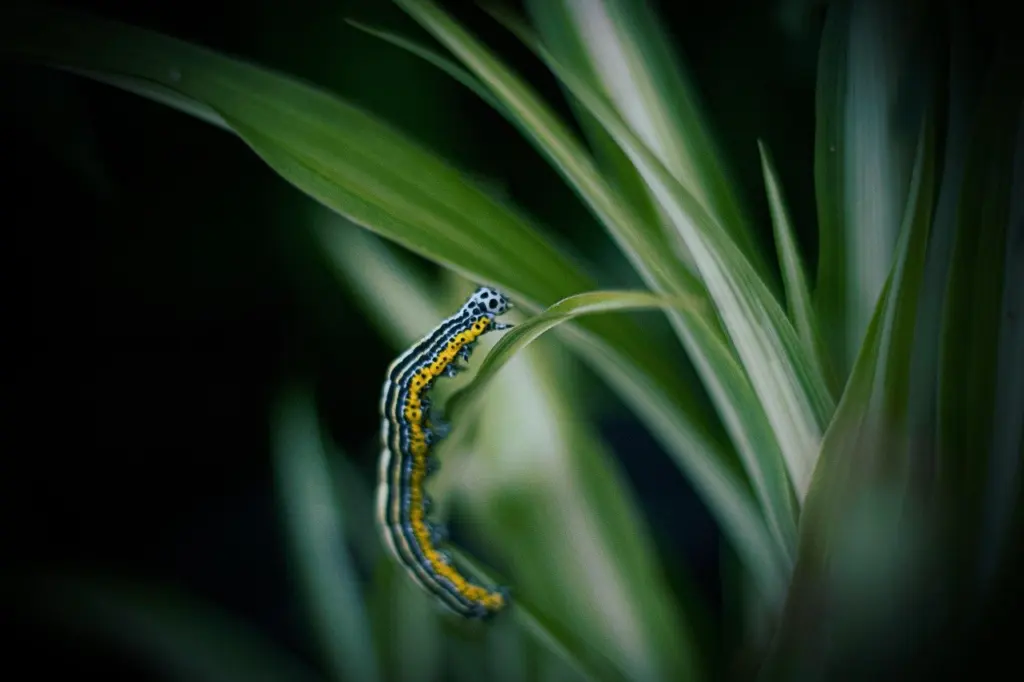
Spring checkpoints
- Watch egg colour. Eggs turning blue mean hatching is close.
- Inspect opening buds. Look for caterpillars inside and for destroyed flower parts.
- Check leaves. Look for caterpillars and chewing on opened clusters and leaves as feeding continues.
- Keep notes through late May. Record the date and the tree for each observation.
Summer and early fall: pupation
Once feeding ends, mature caterpillars, about 1 inch long, drop to the ground and pupate in the soil. According to New England Tree Fruit, they remain there until moths emerge in late November. Coastal Rivers places pupation between June and November.
There is little to see during this stretch, so it is a good time to review your notes and prepare wraps for the next season.
Identifying winter moth
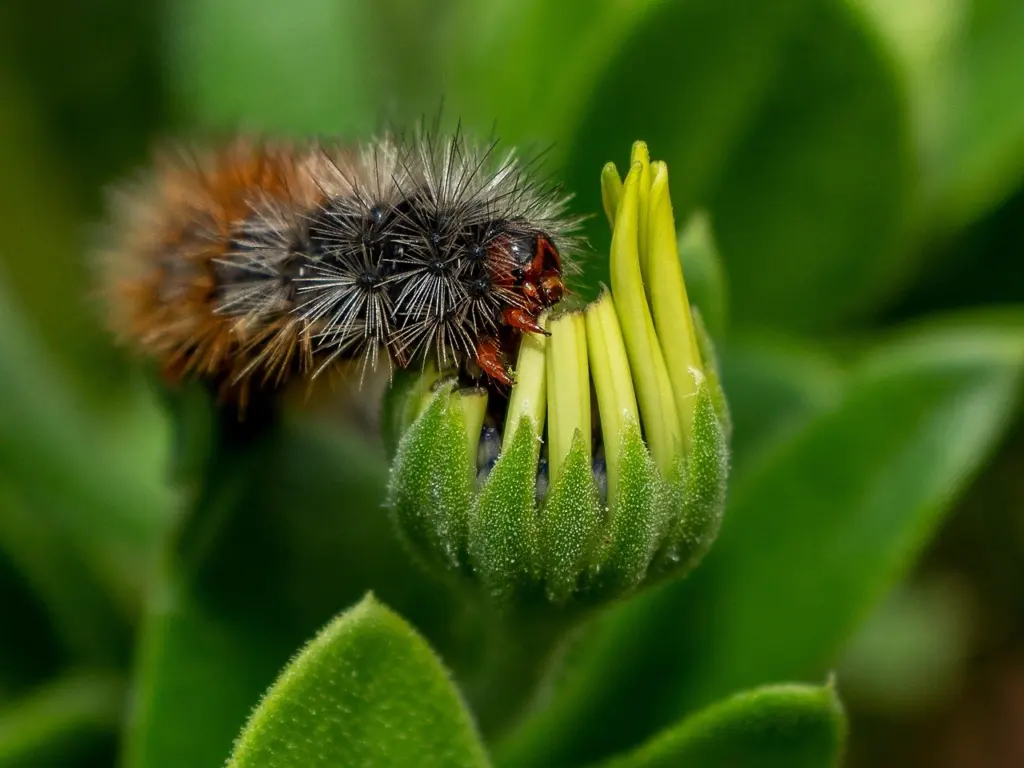
Identification depends on the stage you are looking at. Adult males are light brown and attracted to lights, and females cannot fly. Caterpillars are green inchworms, and the New England Tree Fruit guide says they look identical to green pug moth caterpillars until half grown.
Winter moth is also very similar to the native Bruce spanworm. Coastal Rivers describes the pair as very difficult to differentiate, looking much alike and having similar life cycles. A photo and a date are useful records, but treat a field identification of winter moth as provisional.
Where winter moth is a problem in Maine
The clearest Maine signal is on the coast. New England Tree Fruit describes winter moth as a problem to apple and pear growers in eastern Connecticut, Massachusetts, Rhode Island and coastal Maine. If you grow apples or pears near the Maine coast, treat these checks as a priority.
Inland observers can still record what they see, and a dated, located record is more useful than a guess about whether the species is present.
Damage to host trees
Winter moth damage to trees starts at the buds. Once inside, caterpillars feed and destroy flower parts, and they continue on opened flower clusters and leaves until late May.
For apple, the stakes can be high. The New England Tree Fruit guide states that up to 100% of an apple crop can be destroyed by these inchworms. Apple and pear are the host trees named for Maine growers in this guidance. A Bt insecticide such as DiPel will not control hatching caterpillars, so it is not a quick answer at hatch.
Volunteer monitoring and reporting
Volunteer monitoring works best when it is regular and recorded. Wraps set in early November collect material you can inspect, egg colour tells you when hatch is near, and bud checks show when caterpillars begin feeding.
- Fixed trees. Return to the same trunks each season so your notes can be compared year to year.
- Dated notes and photos. Record stage, tree, location and date, including adults at lights in late fall.
- Damage description. Note whether buds, flower clusters or leaves are affected.
The Maine Forest Service invites readers to sign up for its Conditions Report to stay current on insect and disease topics. Pair it with your records, and look at our hemlock woolly adelgid identification and asian shore crab identification guides if you want to extend your monitoring to other species.
Troubleshooting common problems
- Moths at lights but none on wraps. Males fly to lights, while females are flightless and stay near trunks, so check wraps are snug and on the right trunks.
- Caterpillars that may not be winter moth. Early on they look the same as green pug moth caterpillars, so confirm the stage and keep a photo.
- Damage but no caterpillars. Feeding can happen inside buds, so open-bud inspection matters before leaves show chewing.
- Spray applied at hatch with no effect. Bt products such as DiPel do not control hatching caterpillars.
Frequently asked questions
Should I monitor by calendar or by buds?
Use bud stage. Hatching is described relative to McIntosh Green Tip, so what the buds are doing is a better cue than a date.
Why do I only see male moths flying?
Only males fly. Females are flightless and crawl at tree bases, so adults seen near lights are males.
Does Bt insecticide stop newly hatched caterpillars?
No. A Bt insecticide such as DiPel will not control hatching winter moth caterpillars.
Is there an official Maine update for insects?
Yes. The Maine Forest Service offers a Conditions Report with insect and disease updates that you can sign up for.