
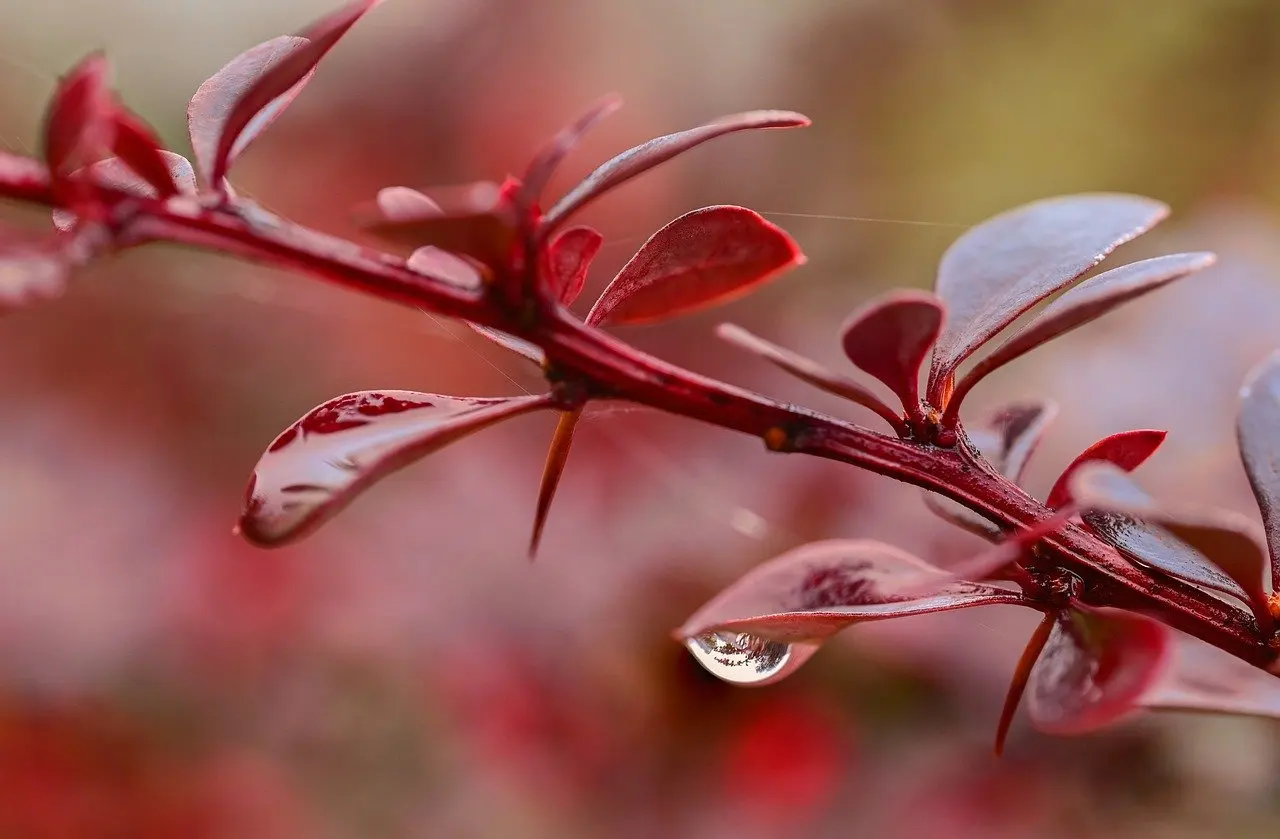
Japanese barberry identification comes down to a few traits you can check in any season: single, alternating thorns along thin, grooved stems, small oval leaves, and bright red berries in fall.
You find an unfamiliar thorny shrub at the edge of a woodlot, or a thicket under older trees, and want to know whether it is barberry and whether it is worth tracking. Start with the thorns, confirm with leaves or berries when they are present, and then log the patch so you can see whether it grows. This guide sits within our wider work on invasive species monitoring, and the broader invasive plants in Maine guide helps if the plant turns out to be something else.
Identifying Japanese barberry in leaf and flower
Japanese barberry (Berberis thunbergii) is a small deciduous shrub, and the traits below separate it from most other shrubs you will meet in a Maine woodland edge. No single trait is a perfect test on its own. Use at least two together, and always start with the stem.
| Feature | What to look for | Planning use |
|---|---|---|
| Stems and spines | Thin, grooved branches with thin, straight spines; single thorns that alternate and grow up the entire stem | Check first. It works with or without leaves. |
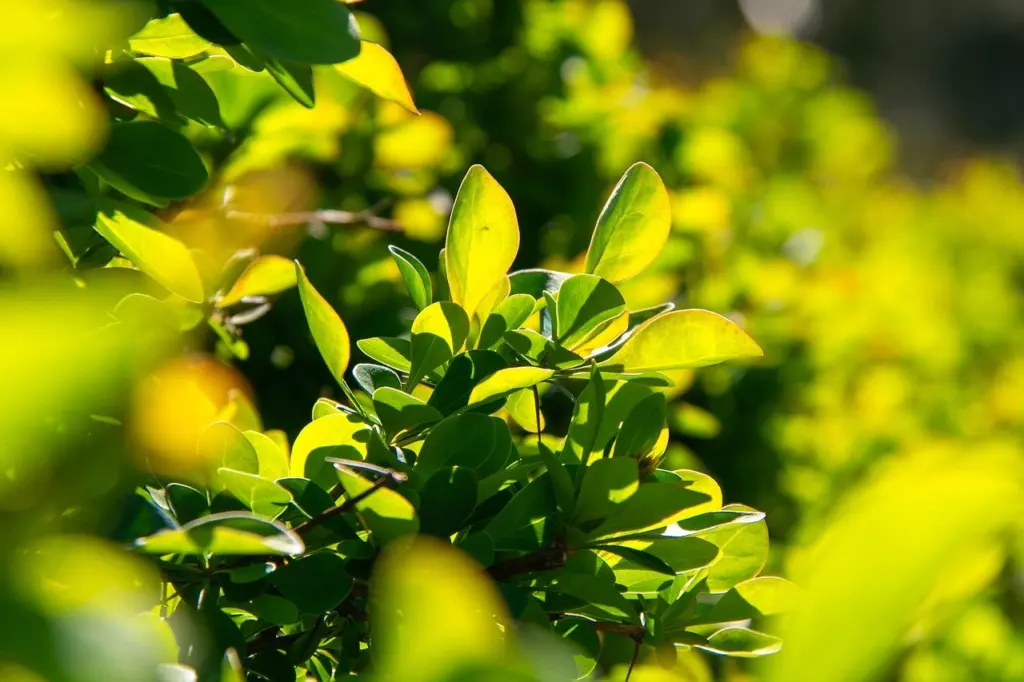
| Leaves | Oval, simple and entire (smooth-edged); wedge-shaped and up to 1 in. (24 mm) long | Good confirmation in summer. The length is a ceiling, so expect many smaller leaves. |
| Flowers | May to early July; very small, white or pale yellow, downward-facing or drooping, in clusters of 2-5 | A short window, so do not rely on it for a yes or no. |
| Berries | Bright red, 1/4-1/3 in. (7-10 mm) long | Strong fall marker for locating and mapping a patch. |
| Fall foliage | Leaves turn bright orange | Useful for spotting patches from a distance late in the season. |
| Size | Mature shrub 2-8 ft (0.6-2.4 m) tall | Small plants in the understory can be young shrubs rather than a different species, so judge by thorns. |
Trait descriptions combine the National Park Service’s Acadia barberry account and the UConn Invasive Plant Working Group profile. The two sources describe flower colour slightly differently, so treat flowers as supporting evidence only.
Identifying barberry in winter
In winter you are working from twigs alone, and the thorn pattern is the feature to trust. The National Park Service describes Japanese barberry by its single thorns, which alternate and grow up the entirety of the stems. UConn adds that the branches are thin and grooved, with thin, straight spines.
A practical winter check works through the same few questions on each stem:
- Thorn count at each position: a single thorn, not a cluster, matches the description.
- Thorn arrangement: thorns should alternate along the stem rather than sit in matched pairs.
- Extent along the stem: the thorns should run the whole length, not only near the base.
- Stem texture: look for thin, grooved branches with straight spines rather than stout or curved ones.
Winter identification is a good way to find a patch and flag it, but it is less certain than an identification made in leaf. If a stem fits the thorn pattern, mark it and return when leaves, flowers or berries can confirm it. Fall orange foliage and red berries are the last easy cues before the shrub is bare.
Troubleshooting lookalikes and mixed traits
Japanese barberry was introduced to the United States in the 1800s as an ornamental. The Cornell Cooperative Extension of Delaware County notes that it was introduced in 1875 and promoted as a substitute for common barberry, so more than one barberry may grow near old plantings. The USDA Forest Service also lists Berberis × ottawensis, a hybrid of Japanese barberry and common barberry (Fire Effects Information System).
When a plant does not fit cleanly, work through these problems:
- Thorns fit but leaves look different: record the plant as a possible hybrid or other Berberis rather than forcing a match, and photograph stems and leaves together.
- Leaves fit but thorns are unclear: look at several stems, because thorn position is the feature the descriptions rely on.
- Plant is small and no berries are visible: do not rule it out. Shrubs reach reproductive age at two years, so younger plants will not fruit yet (National Park Service).
- Plant is climbing rather than shrubby: compare it with the vine described in our oriental bittersweet identification guide.
Is Japanese barberry invasive in Maine, and is it banned?
Yes, it behaves invasively in forests across the region, though the degree varies. The USDA Forest Service calls Japanese barberry a pest species with varying degrees of invasiveness across its North American range. It is most abundant throughout the Northeast except northern Maine, and it is most problematic in mature eastern forests, where it often forms dense thickets.
Maine evidence is specific. A 2001-2002 study documented barberry spreading from intentional plantings in a rural western Maine town into surrounding deciduous forests. Native species regenerated poorly and were sparse under the canopy in southern Maine. In a mature Berkshire, Massachusetts forest, barberry dominated and in some places covered more than 80% of the understory (USDA Forest Service).
On the ban question, federal listings give Japanese barberry no special status. That means no federal restriction is attached to the plant itself. Maine’s own rules on sale and planting should be confirmed with the Maine Department of Agriculture, Conservation and Forestry before you buy, sell or move plants. Acadia National Park asks homeowners to avoid planting it in their gardens because it is likely to spread (National Park Service).
Why barberry is linked to ticks
Long-term studies summarised by the National Park Service have shown that tick densities are higher in Japanese barberry than in areas dominated by native shrubs. The tick in question is the blacklegged tick, or deer tick (Ixodes scapularis), the vector for Lyme disease.
The same source reports that removing barberry from the landscape can reduce tick numbers. That makes a patch near a trail, yard or play area a stronger candidate for early attention than one deep in a woodlot. The finding is about densities compared with native-shrub areas, so it does not mean every barberry stand will hold ticks, and it does not replace usual precautions in tick habitat.
Setting up repeat monitoring of one barberry patch
A monitored patch tells you whether a population is spreading, thinning or holding steady, which a single sighting cannot. The National Park Service stresses that staying vigilant and detecting populations early is the key to long-term success. It also notes that managers search for new stands by surveying suspected habitats.
Choose and record the patch
- Pick a patch you can return to. Common places include old homestead and estate grounds, stream corridors and new mixed forests (National Park Service).
- Fix the position. Note the location, mark the edges and choose a photo point so later pictures match.
- Record the identification basis. Write down which traits you confirmed: thorns, leaves, flowers or berries.
- Describe the surroundings. Note whether native seedlings are present beneath the shrubs, since native regeneration is poor under a barberry canopy.
- Add the sun conditions. Barberry can survive in low light but grows rapidly in full sun, so a canopy gap is worth noting.
Revisit through the year
- Spring to early summer: look for small flowers, from May to early July, and use leaves to confirm plants first noticed in winter.
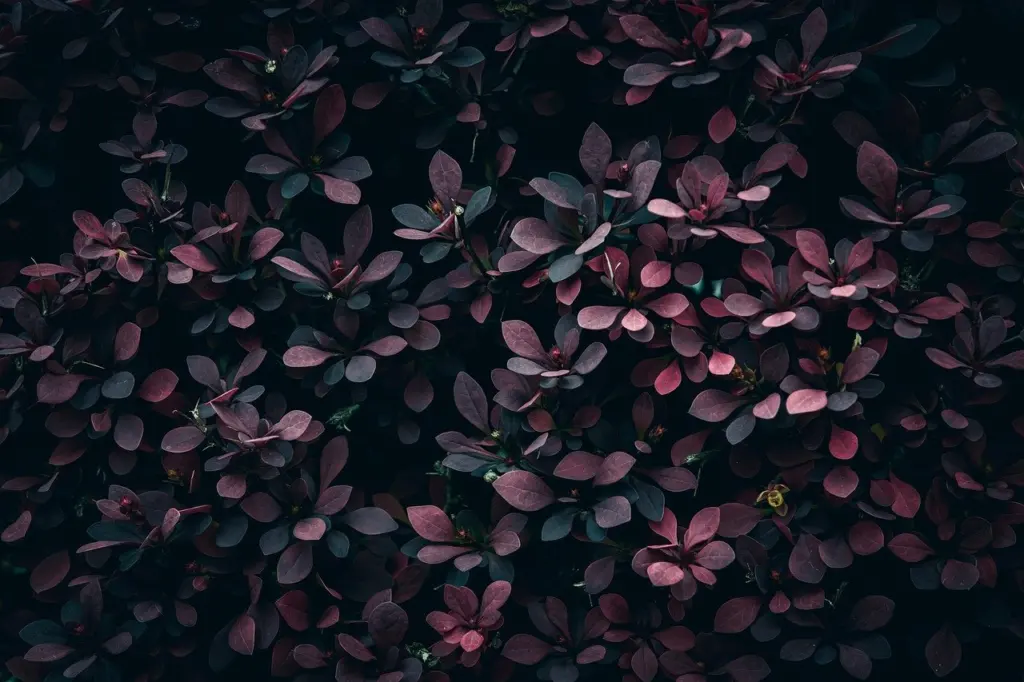
- Late summer and fall: berries ripen red to orange, and leaves turn bright orange. Photograph the patch from your fixed point and note how far berries extend.
- Winter: check thorn-bearing stems for new shrubs outside the previous boundary.
What to look for beyond the patch edge
Birds such as turkey and grouse can disperse seed great distances (National Park Service), so new plants may appear well away from the original shrubs. Walk the surrounding suspected habitat at each visit and add any new stand as its own record. UConn notes that hand-pulling can control small populations of less than 1/4 acre, and that plants pulled early in the season are much smaller and easier to manage. Careful records tell you when a patch has moved from a monitoring site into a management job.
Frequently asked questions
| Question | Answer |
|---|---|
| Does Japanese barberry need full sun? | No. It can adapt to low light, but growth explodes once it receives full sun, so a gap in the canopy can turn a quiet understory plant into a fast-growing one (National Park Service). |
| How old is a barberry shrub when it starts producing fruit? | The shrubs reach reproductive age at two years, and fruit ripens red to orange in late summer and fall (National Park Service). |
| Can I remove a small patch by hand? | UConn says hand-pulling can often control small populations of less than 1/4 acre, and early-season plants are smaller and easier to handle. Wear thick gloves, because the stems carry thorns. |