
| Phase | What to look for | Planning use |
|---|---|---|
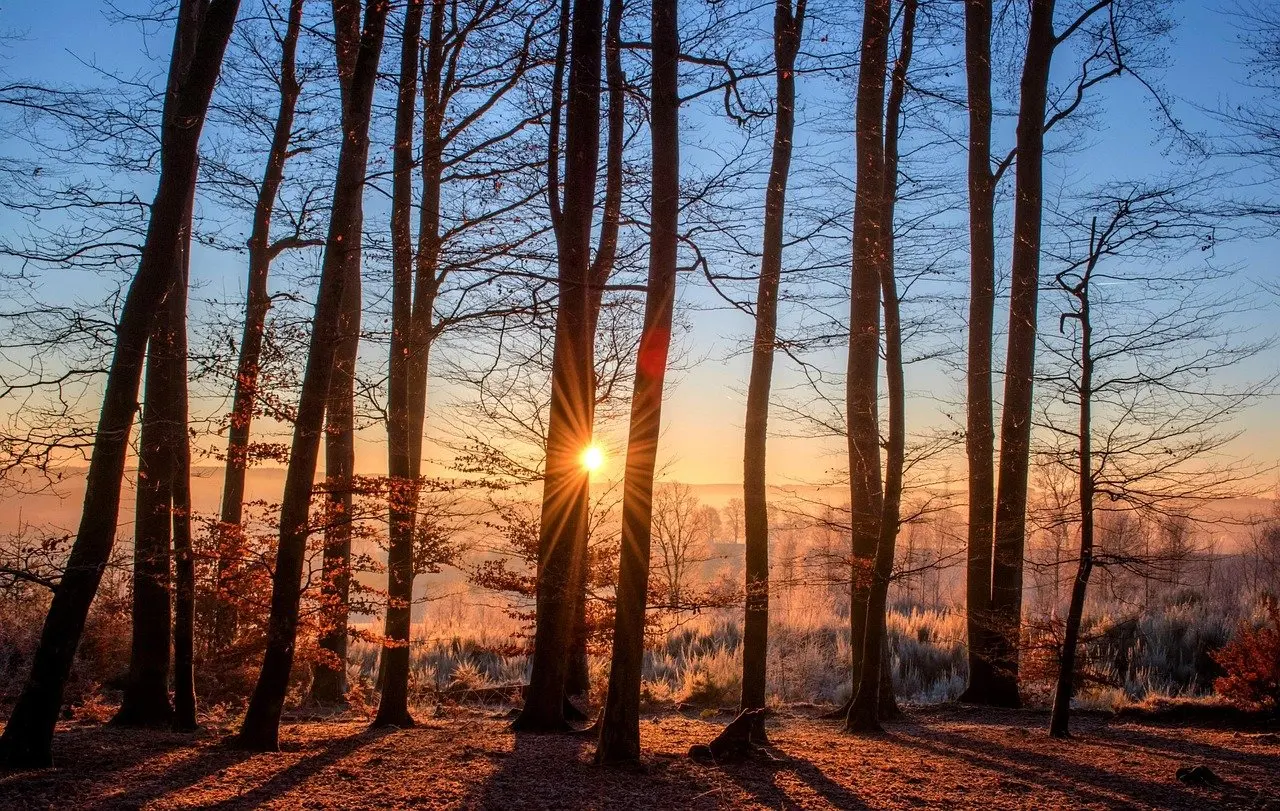
| Dry season (summer) | A stained, gray or sediment-covered leaf layer, and wetland plants growing in otherwise dry forest | Map candidate basins while the empty depression is easy to see. |
| Early spring | Basins holding water and pools “brimming with life” | Revisit your mapped basins to confirm standing water and breeding evidence. |
| Rainy nights in April | Spotted salamanders moving toward pools on heavy-rain nights; Maine’s Big Night monitoring runs statewide every April at over 300 locations | Plan evening visits around rain, or join an organised count rather than surveying alone. |
Timing and field signs here draw on the Virginia Department of Wildlife Resources and the Gulf of Maine Research Institute.
Vernal pools in Maine are shallow depressions that hold water for only part of the year, so the easiest way to find one is to read the dry basin in summer and confirm breeding there in early spring.
This guide follows the pool through its year and ties each stage to what a volunteer can actually see. It sits within our wider coverage of Maine ecosystems. For how pools fit among other wet and dry communities, see our overview of the types of habitats in Maine.
Dry season: recognising a vernal pool basin
The Maine Department of Environmental Protection describes vernal pools, or “spring pools,” as shallow depressions that usually contain water for only part of the year. That definition is the starting point for identification. A pool is a landform that fills and empties, not a permanent pond, so a dry basin in August can still be a vernal pool.
Signs of a basin when it is dry
Look for places where the leaf layer on the ground appears stained, gray or covered with sediment, as the Virginia Department of Wildlife Resources notes. Wetland plants growing in an otherwise dry forest are another clue. Together, these marks show where water has stood long enough to change the forest floor.
Signs of a pool when it is wet
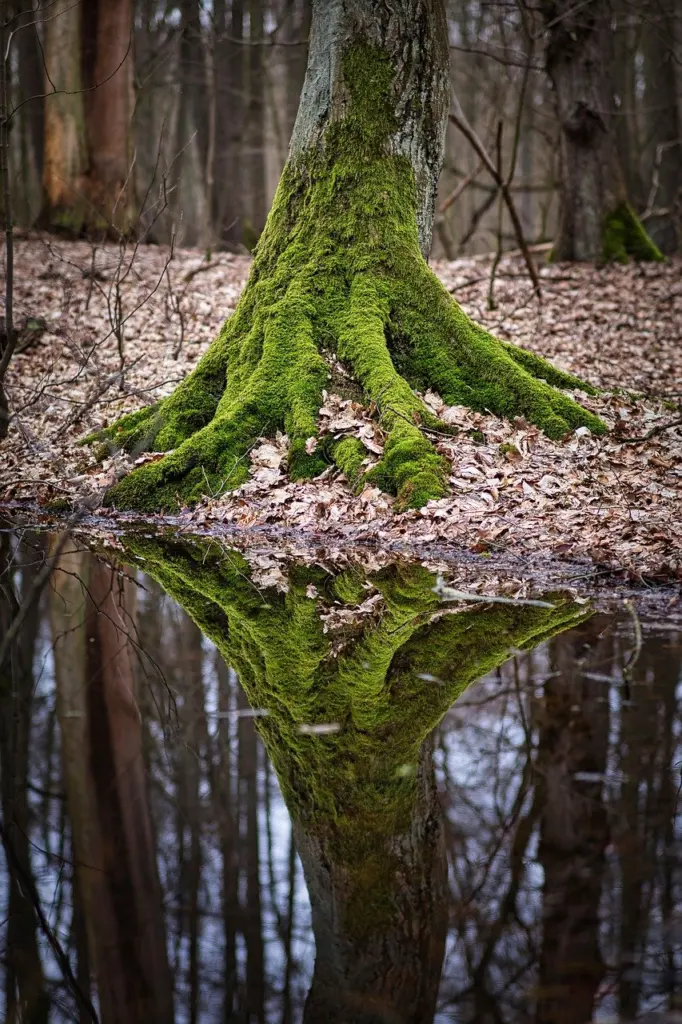
Check for a closed depression with no stream flowing in or out. The Frenchman Bay Conservancy points out that the lack of running water is what keeps predators such as fish scarce. If you find a basin with a flowing outlet, a stream channel or fish, you are probably looking at a different wetland type.
Record the location with a GPS point or a map mark and photograph the basin from the same spot in each season. Repeat photos show the water cycle better than a single visit and make a stronger record to hand to an ecologist later.
Early spring: amphibians and other pool life
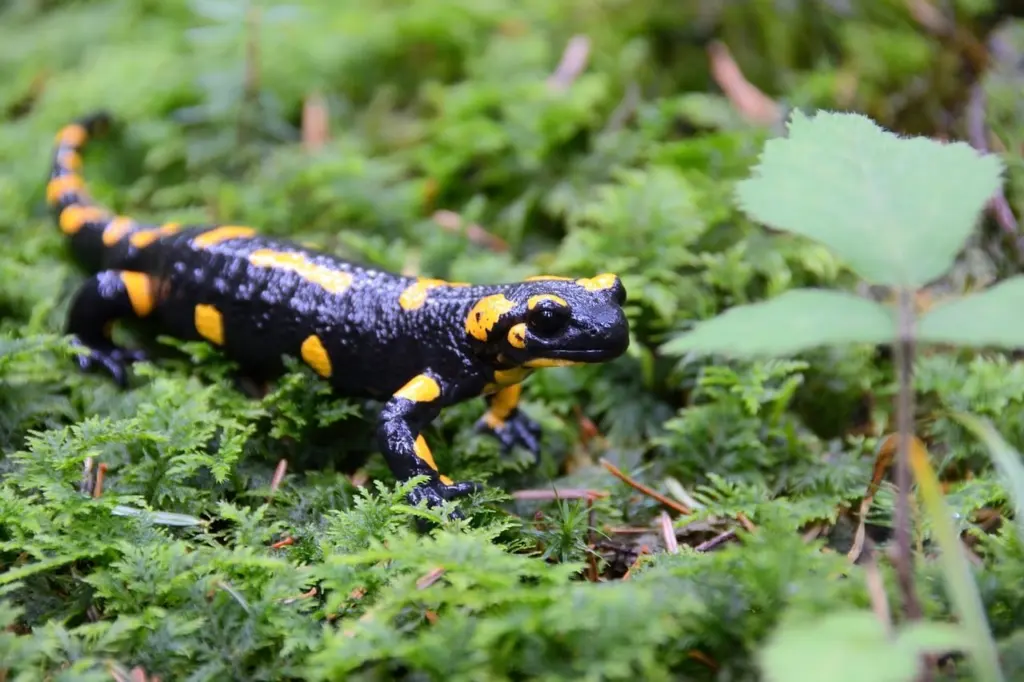
Maine’s DEP lists the species that must have access to vernal pools to survive and reproduce, and they include wood frogs, spotted and blue-spotted salamanders and fairy shrimp. These are the animals to expect when you answer the question of which vernal pool amphibians Maine volunteers can find.
Who uses the pool
- Wood frog: a frog that breeds in the pool and is among the obligate species.
- Spotted salamander: moves out of surrounding woods into the pool to breed.
- Blue-spotted salamander: the second salamander the DEP names, with the same dependence on pools.
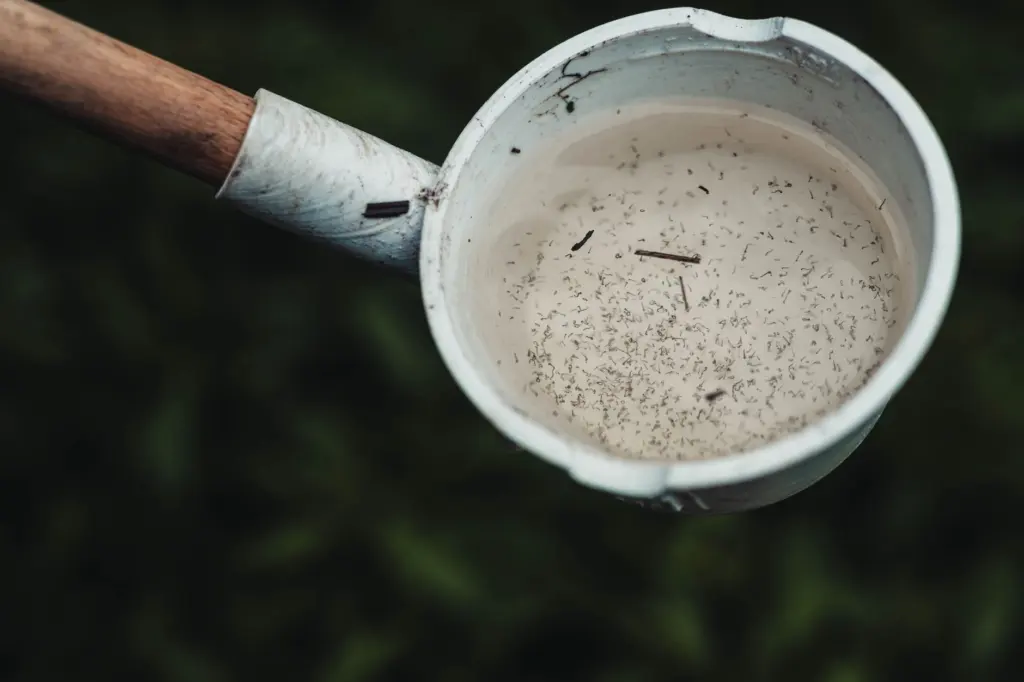
- Fairy shrimp: a small invertebrate that lives in the water itself and is rarely noticed unless you look closely.
Many of these animals are pool specific: the DEP explains that they must return to the pond in which they were born to breed. For a volunteer, this makes each pool a separate population. Losing one pool does not simply push animals to the next one.
Telling salamander and frog egg masses apart
Do not rely on colour. Spotted salamander egg masses, according to the Virginia Department of Wildlife Resources, are highly variable in shape, size and colour, and may be clear, milky white or somewhere in between. A green tint can come from a symbiotic alga, Oophila amblystomatis, which is associated with both salamander and wood frog eggs. A green mass therefore does not tell you which animal laid it.
Photograph each mass beside a twig or your hand for scale, note the depth and the attachment point, and record the date. Name the species only when you have seen the adults at the pool or an experienced observer has reviewed your photos. Otherwise log it as an unidentified amphibian egg mass, which is still useful evidence.
April survey nights
April is the month to plan around. The Gulf of Maine Research Institute runs Big Night monitoring every April at over 300 locations statewide, and describes early spring as the time when vernal pools brim with life. Maine volunteers searching for the best time to survey vernal pools should treat early spring, and April in particular, as the target.
Within that window, rain matters more than the calendar date. In Virginia, spotted salamanders become most active on nights of heavy rain, which is their cue to move out into the pool. That observation comes from outside Maine, so use it as a reason to watch the forecast, not as a fixed rule for your pool.
A simple survey routine
- Choose your pools in the dry season and note how to reach each safely in the dark.
- Watch for a rainy April evening and go then, rather than on a dry night.
- Stay on the path and out of the basin. Avoid trampling the depression and avoid handling animals.
- Record what you see: adults, egg masses, fairy shrimp, water presence and your photographs.
- Return in daylight to photograph egg masses and the pool margin without disturbance.
If you are new to this, joining an organised count is the stronger choice. It gives you a consistent method and puts your data with other records for the same night.
What makes a vernal pool significant under Maine law
A significant vernal pool in Maine is a pool whose habitat has a high habitat value. According to the Maine Department of Environmental Protection, this is based on the presence of listed species or a notable abundance of specific wildlife. The exact criteria are set out in DEP Rules, Chapter 335. Because the test turns on wildlife, your egg mass and adult records are the kind of evidence that matters.
What the law protects
Starting September 1, 2007, significant vernal pool habitat has been protected by law under the Natural Resources Protection Act. The protected area includes a 250 foot radius from the spring or fall high water mark of the pool. On May 17, 2026, rule changes took effect that strengthen protections and include a 100-foot protection zone. Standards for working near a pool include no disturbance within the vernal pool depression itself.
For projects that qualify for permit by rule, one standard is to maintain at least 75% of the critical terrestrial habitat as unfragmented forest. The DEP says such a project can be approved within 20 working days.
Who can make the call
A volunteer cannot declare a pool significant. The DEP says a person with experience and training in either wetland ecology or wildlife ecology may identify significant pools, and a DEP written determination is the other route. Treat your survey as groundwork: dated photographs, counts, a location and a description of the basin are what an ecologist will want to see.
Reporting matters because coverage is limited. Maine Public reported in 2025 that these protections capture only about 20% of vernal pools across the landscape, and that a new law protects pools even if they dry up sooner than usual because of a lack of snowmelt.
Troubleshooting field problems
- The basin is dry in spring. Look for the leaf staining, sediment and wetland plants described earlier. A dry pool in an early year still counts as a pool for the law’s purposes, so a dry visit does not rule it out.
- You find an egg mass but cannot name it. Record shape, size and colour and take clear photos. Because colour varies and green tints occur in both groups, leave the species blank until adults or an expert confirm it.
- You see no animals on a visit. Return on a rainy April evening, since movement into pools is tied to heavy rain. One empty visit does not mean a pool is unused.
- You are unsure whether the pool is permanent. Check for a flowing inlet or outlet and for fish. Their presence points away from a vernal pool.
- You want to know if a pool is protected. Contact the DEP and ask about a written determination, rather than relying on your own observations.
For contrast with a very different wet habitat, see our guide to the Maine rocky intertidal zone.
Frequently asked questions
Do vernal pools have fish?
Typically not. With no running water flowing in or out, a pool has fewer predators such as fish, according to the Frenchman Bay Conservancy.
How do fairy shrimp survive when a pool dries?
Their eggs can survive several years of drying in summer and freezing in winter before they hatch, as the Virginia Department of Wildlife Resources describes.
Is there a no-build zone around a significant vernal pool?
No. The DEP says its standards do not create a mandatory setback or no-build zone, but they do affect what can be done near a pool.
Can I survey a pool on private land?
Ask the landowner first. Survey from the edge, stay out of the basin and keep your records factual so an ecologist can use them later.